



Insights from IIDA Industry Roundtable event in Chicago, IL.
By Maria VanDeman, Director of Design Strategy, OFS
The day I left Chicago after the IIDA Industry Roundtable 28, it was negative five degrees outside. It was the kind of cold that hits your lungs and makes you question every decision that led you there. January in Chicago should have been enough to send me home with regret, and yet, I boarded my flight feeling warmer than when I arrived.
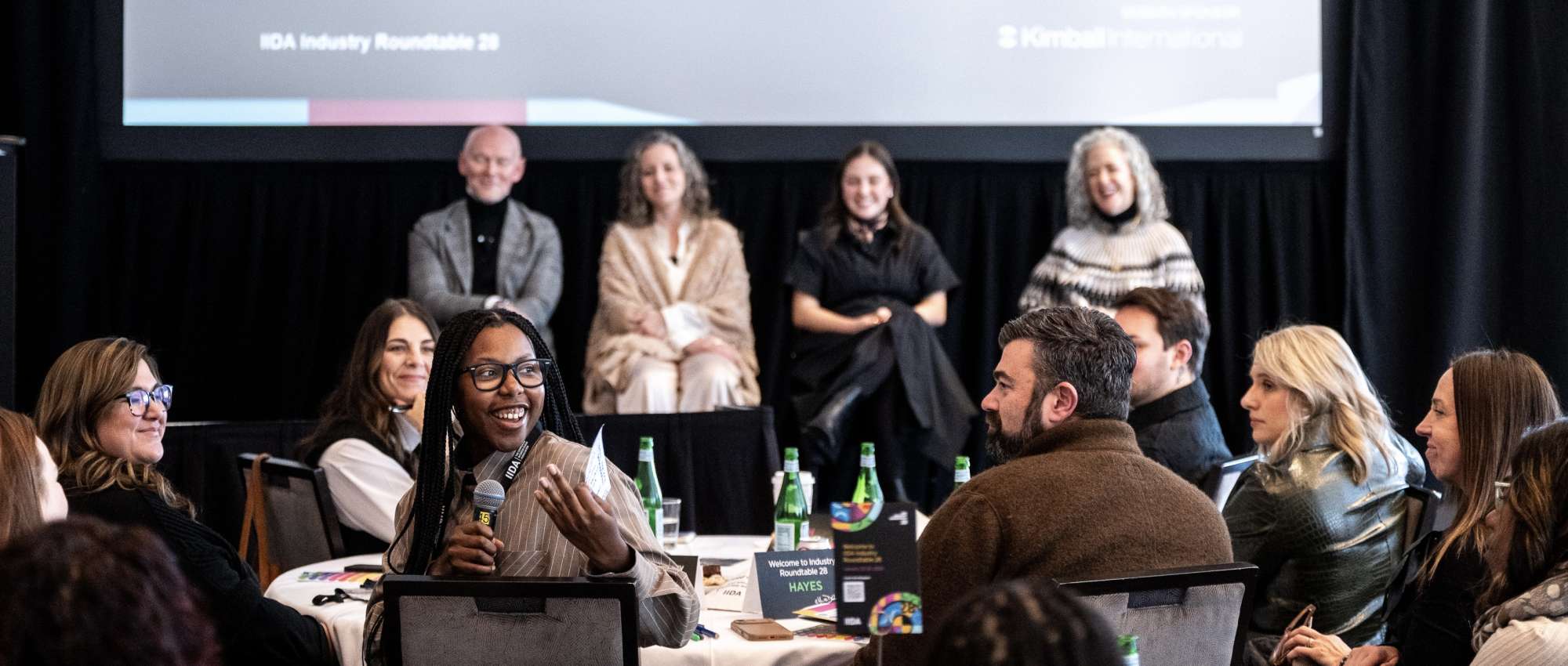
Not physically, of course. But internally, I felt reconnected, and reminded why it still matters to gather in a room together. When everything around us feels noisy and fractured, there is something grounding about sitting around a table with people who are willing to listen, wrestle with ideas, and try to build something better. That was the real gift of IR28.
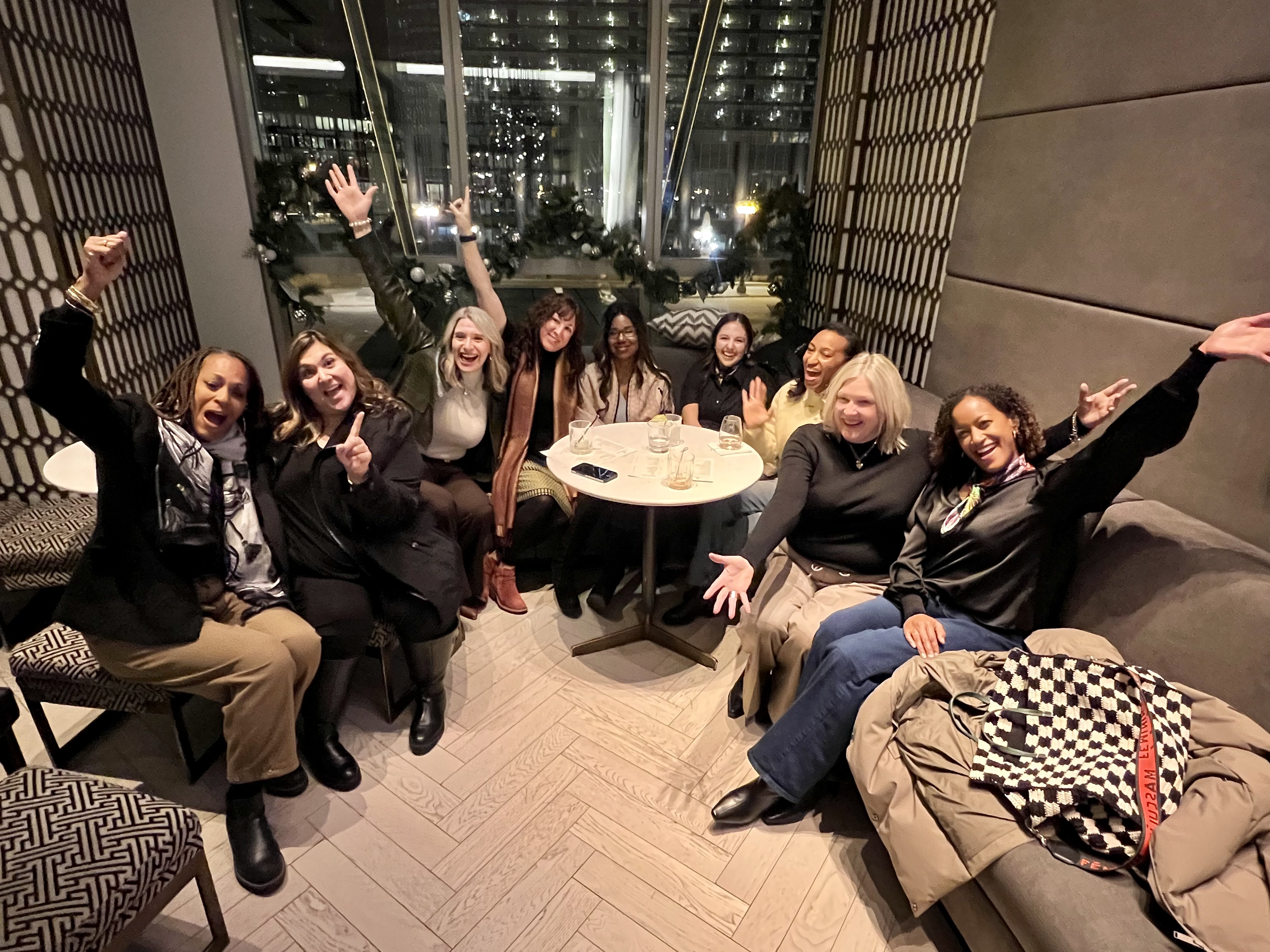
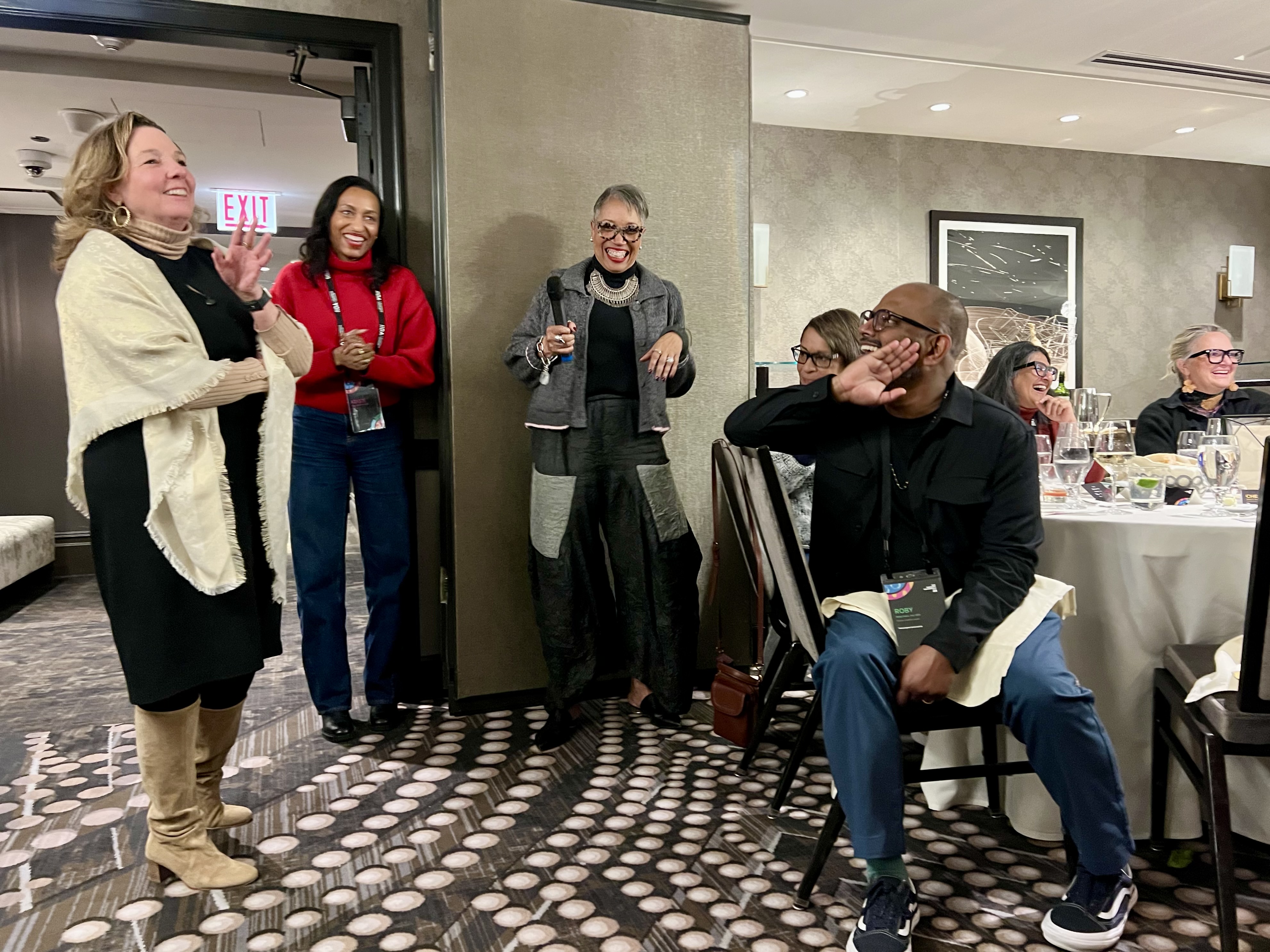
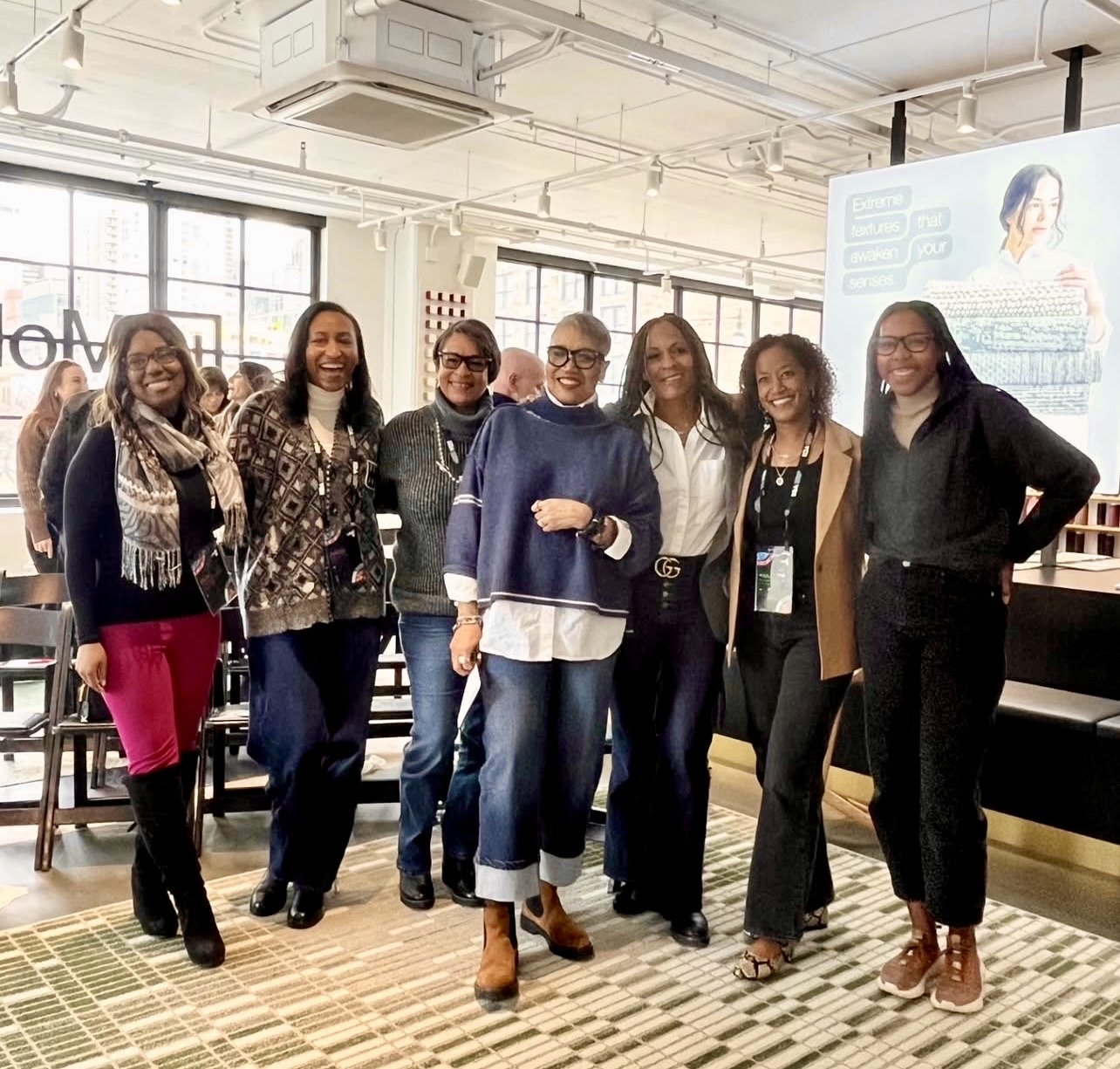
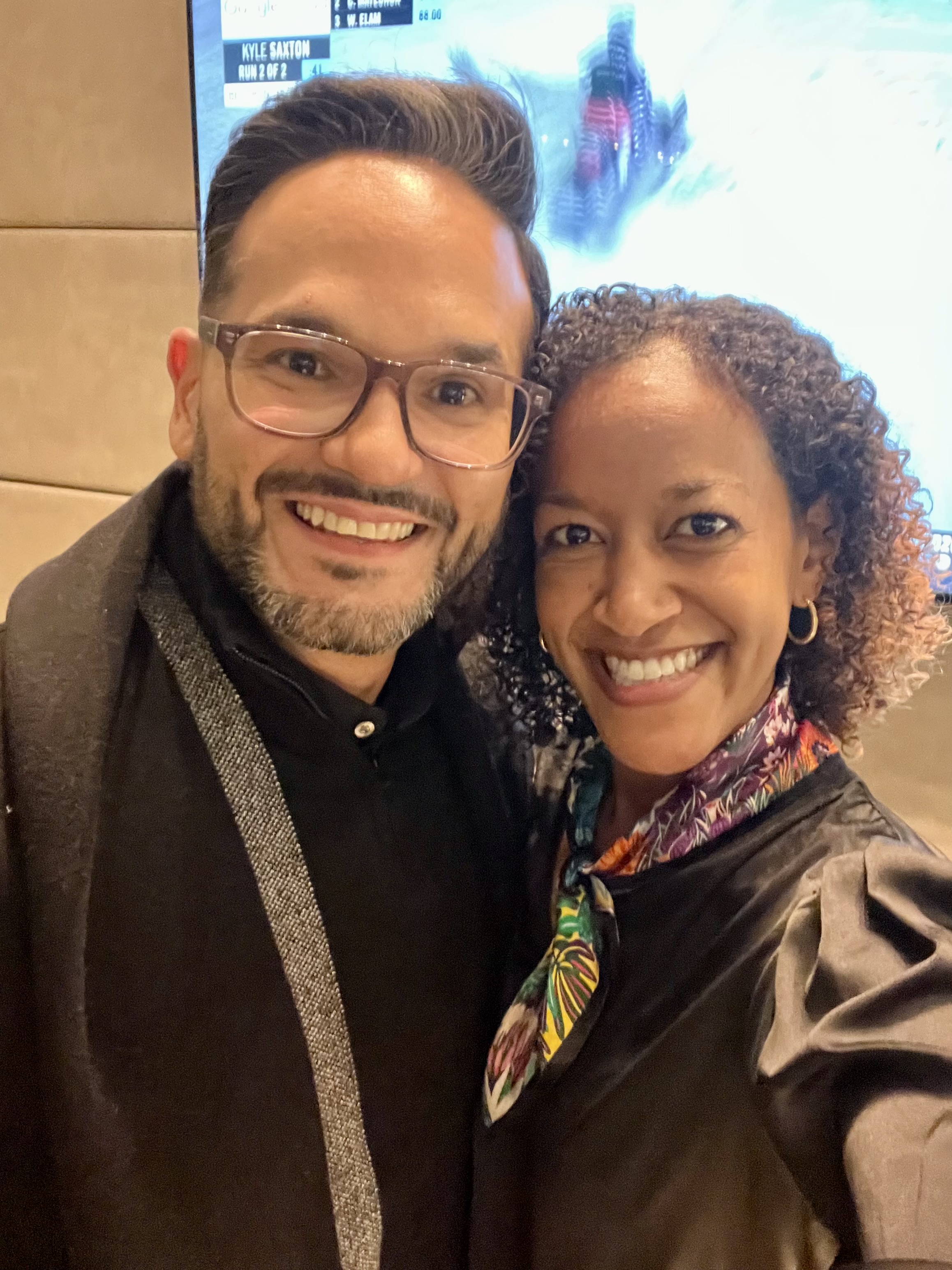
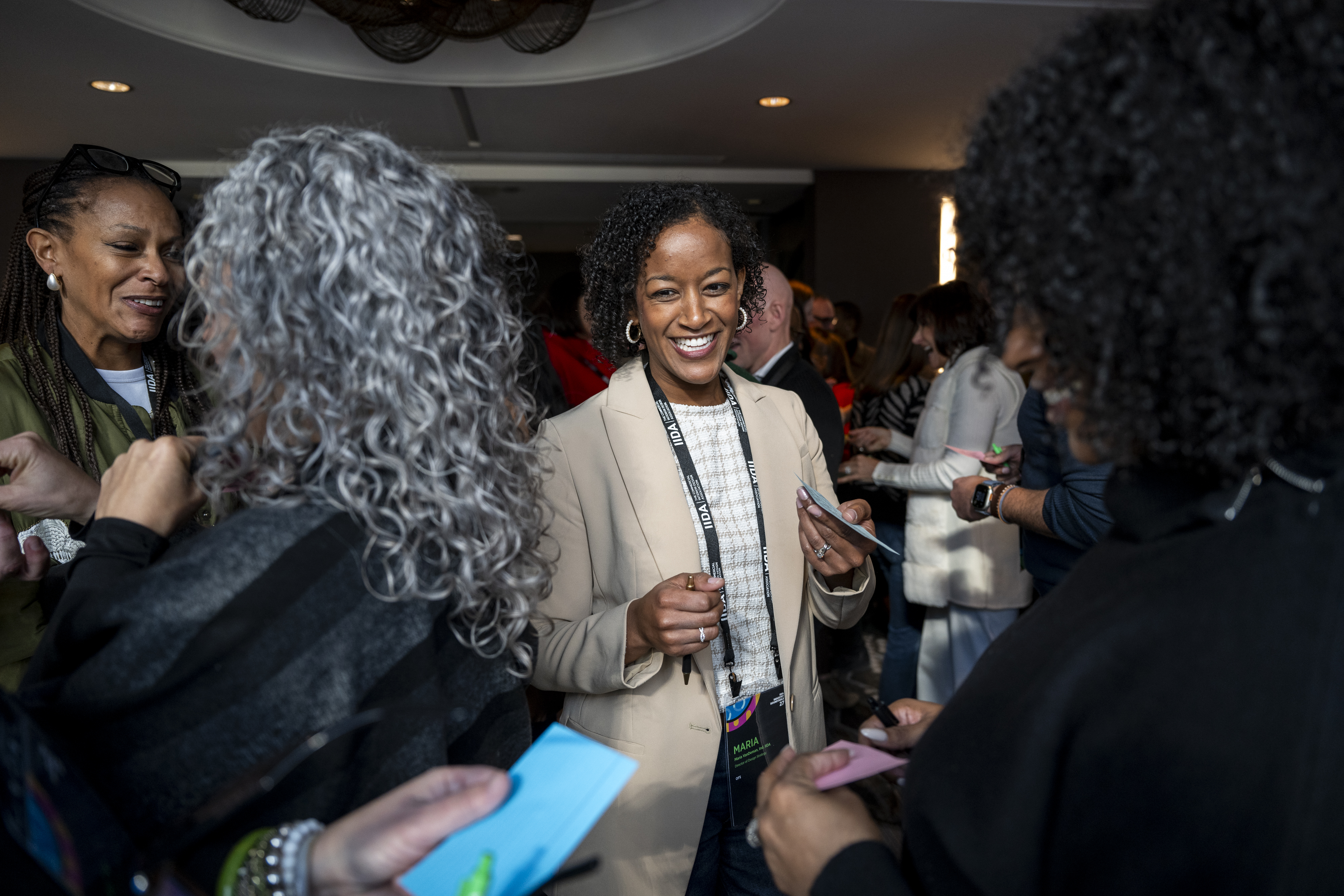
Though I’ve spent nearly two decades in the design industry, I will admit that walking into that room still feels intimidating. You are surrounded by principals, VPs, and global leaders from some of the largest firms in the world. But what stands out every time is how little ego is present. By day, we sit shoulder to shoulder at banquet tables tackling complex ideas. By night, we kick our feet up with cocktails, laughing like colleagues who have known each other for years. There is joy and strength in being together.
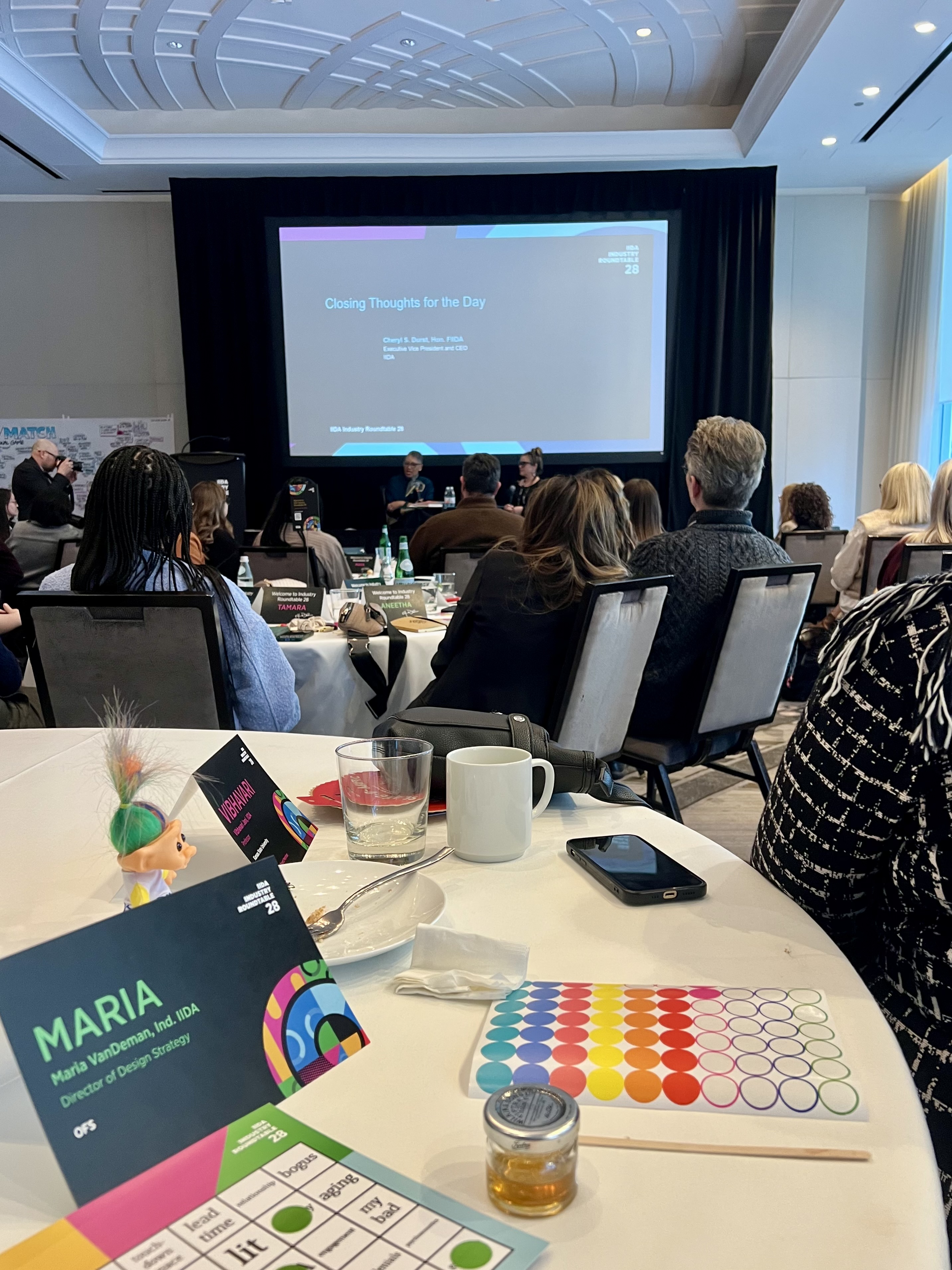
Cheryl Durst, Executive Vice President and CEO of IIDA, kicked off the round table with the theme of “demographics, data, design, and identity”. She has a beautiful way of simultaneously calming and commanding a room. Her line that stayed with me was, “It doesn’t become real until it becomes personal.” We can analyze data, track demographic change and workplace trends all day long. But it is only when those numbers connect to a face, a story, or a personal experience, that they personally move us to deeper feelings and action.
The discussions over the three days were thoughtful and challenging. The world is shifting. Design is shifting with it. And the weight of what we do feels more significant than ever. The question that kept surfacing was: How are we shaping a world in which people can actually live? Three moments from the Industry Roundtable stayed with me because they pointed toward that answer.
Sensory dissonance and the design problem of coherence
The first session, “Sensthetics – Designing for Sensory Convergence and Human Identity,” was led by Dr. Upali Nanda. She has a gift for taking complex research and making it feel natural. The conversation explored the relationship between identity, the brain, and the built environment. I was struck by Dr. Nanda’s powerful statement, “We created a world that has outpaced our ability to live in it.” I wrote it down immediately because it felt uncomfortably accurate.
Most of us move through days filled with screens, notifications, background noise, and constant pressure to respond. Our bodies are in one place, but our minds are toggling between ten others, and they rarely feel aligned. No wonder we are exhausted.
Dr. Nanda described this as sensory dissonance, or the strain that happens when our senses are overloaded or out of sync. It’s when visual input, sound, movement, and information compete instead of cooperate, resulting in overstimulation.
She then spoke about coherence as one of the central design challenges of our time. Not in a stylistic sense, but in a human one. Coherence is about whether a space makes sense to the nervous system. Does the lighting match the activity, the acoustics support focus, and the layout feel intuitive? When those sensory elements align, the brain registers calm and harmony.
That raises important questions. Do our spaces help the senses work together, or do they add another layer of noise? Are we designing for visual impact, or for human sustainability?
Design is intertwined with health, as Dr. Nanda reminded us. The spaces we create shape mood, regulation, and focus in ways that are often invisible but very real. That means our work has to account for the limits of the nervous system. We cannot keep layering stimulation onto already overloaded lives. If the built environment should reduce friction by helping people think clearly, move easily, and feel steadier throughout the day. This means coherence is a true design responsibility.
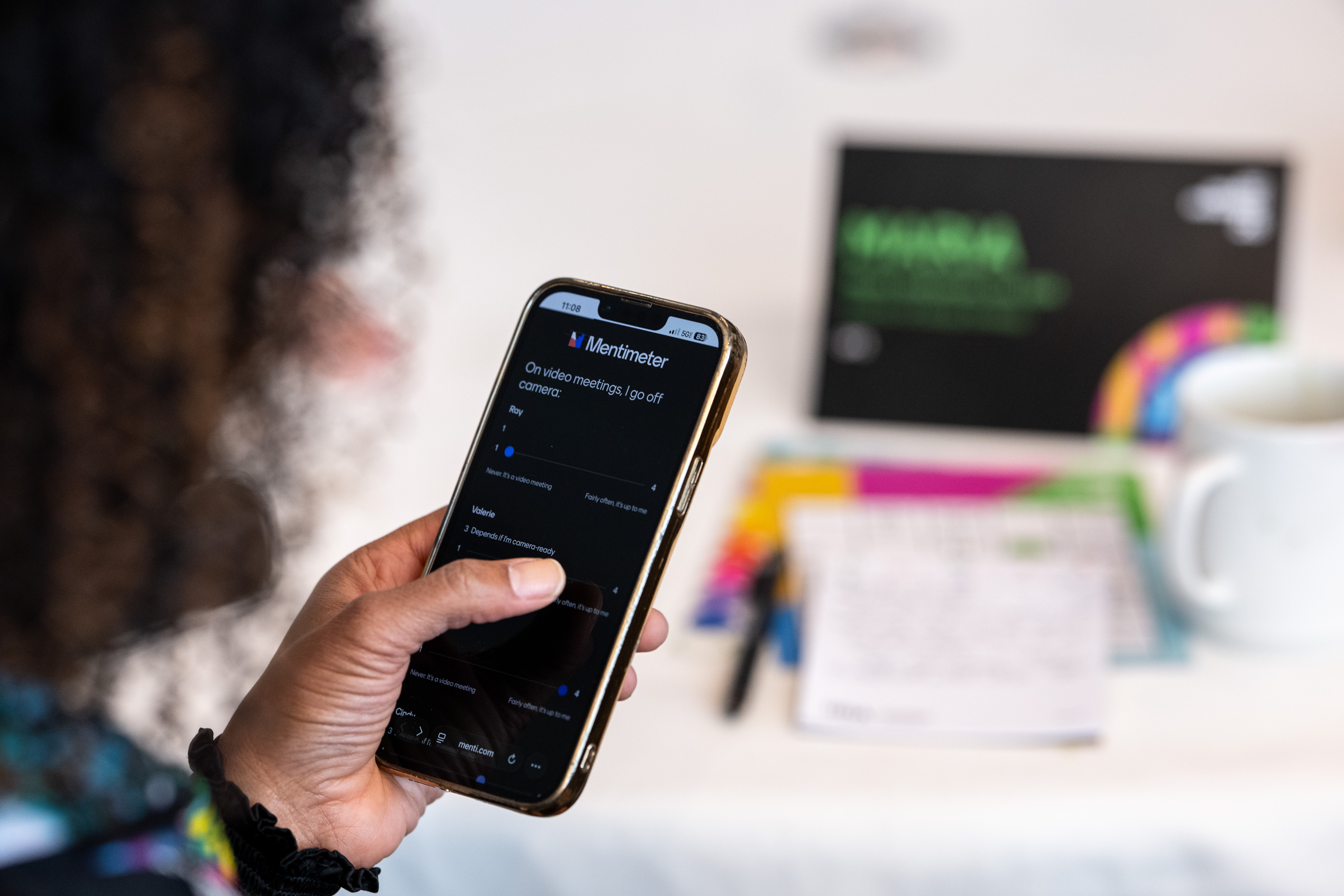
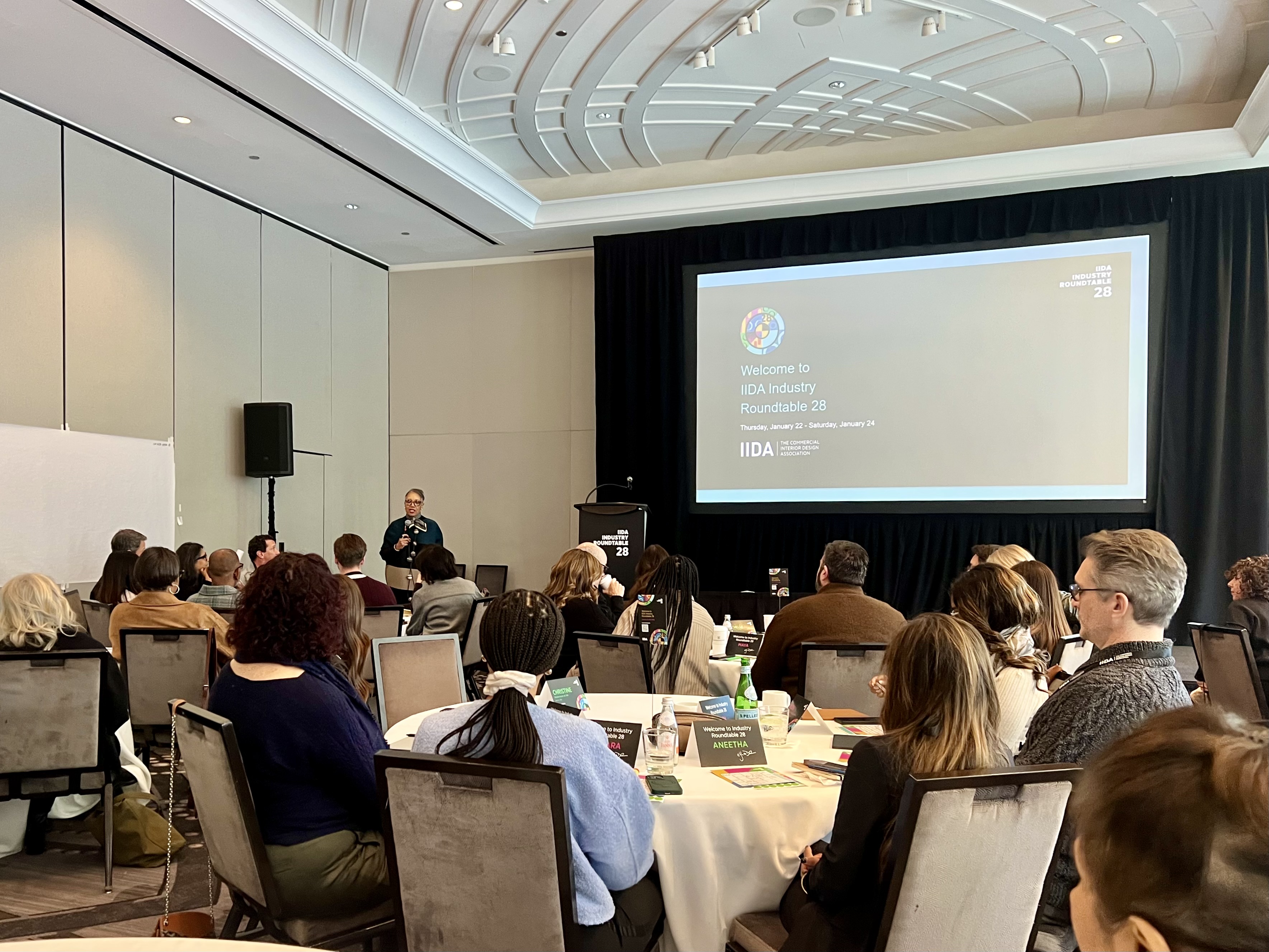
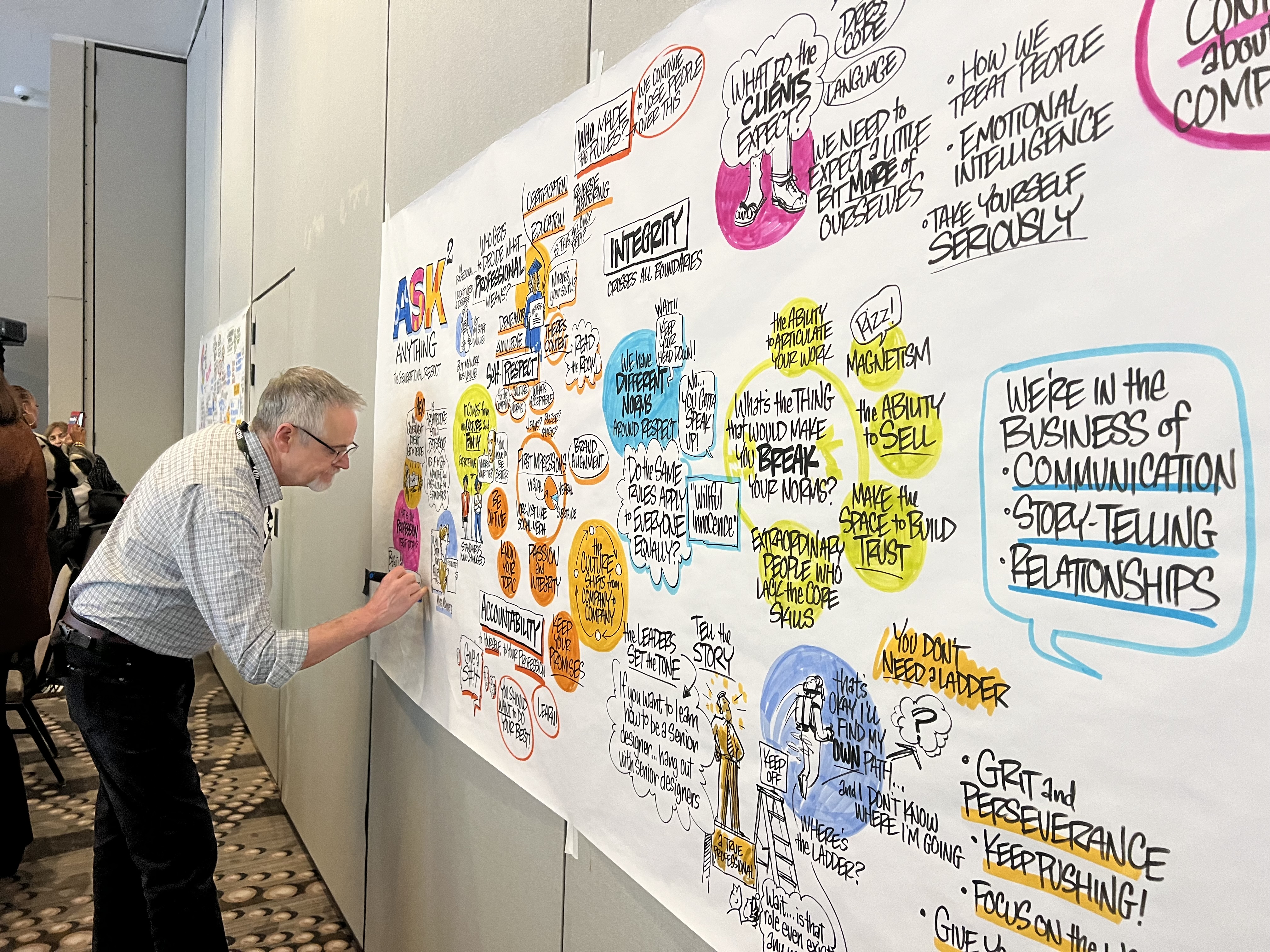
Generations, professionalism, and the power of dialog
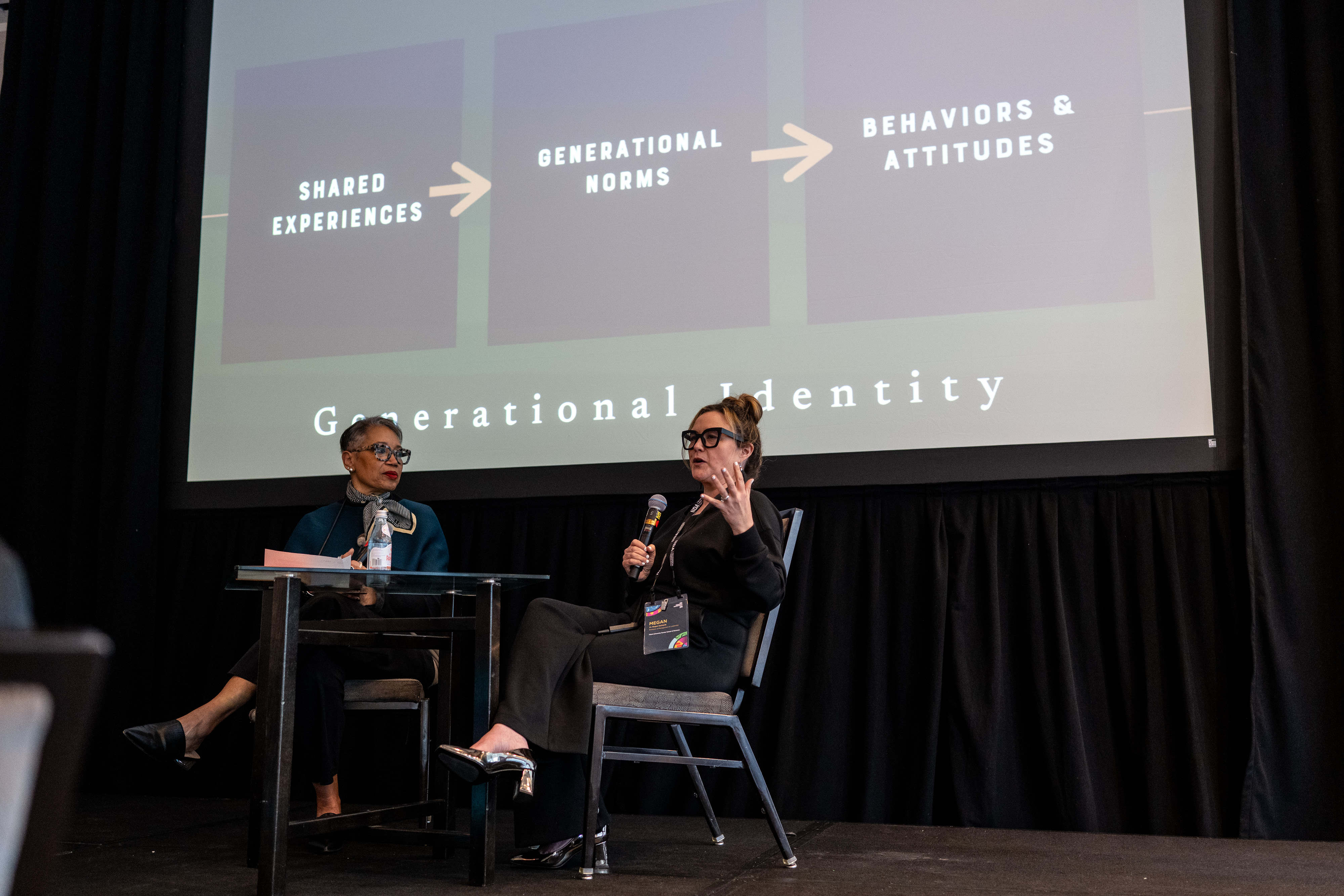
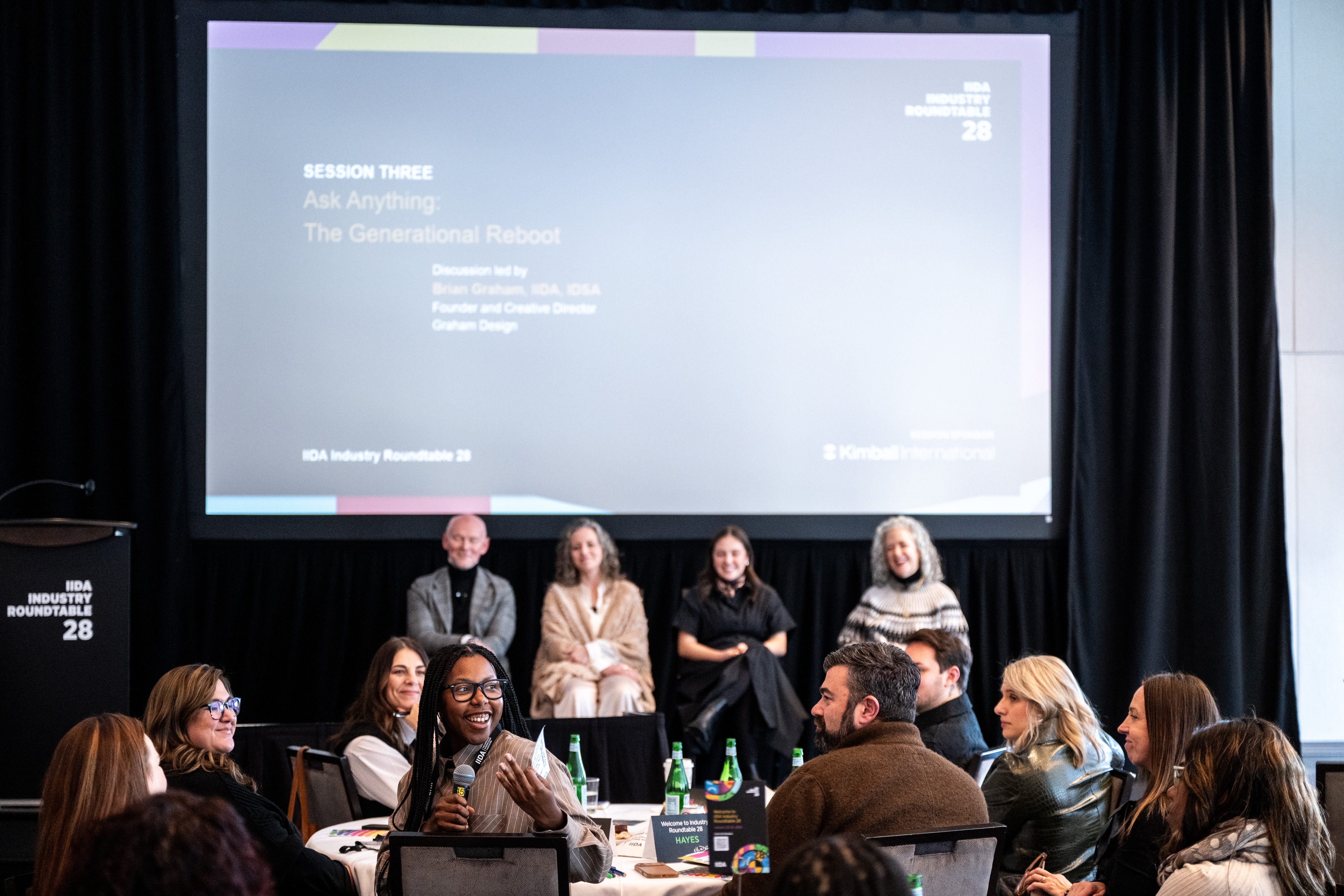
Another standout moment was a multi-generational panel for a “mis/match” generational game, followed by Dr. Meghan Gerhardt on “Unlocking Gentelligence - Creating Space for Inclusion and Success”. I will admit, I walked in hesitant about the panel because generational dialog can quickly slide into clichés and turn into an “us versus them” narrative.
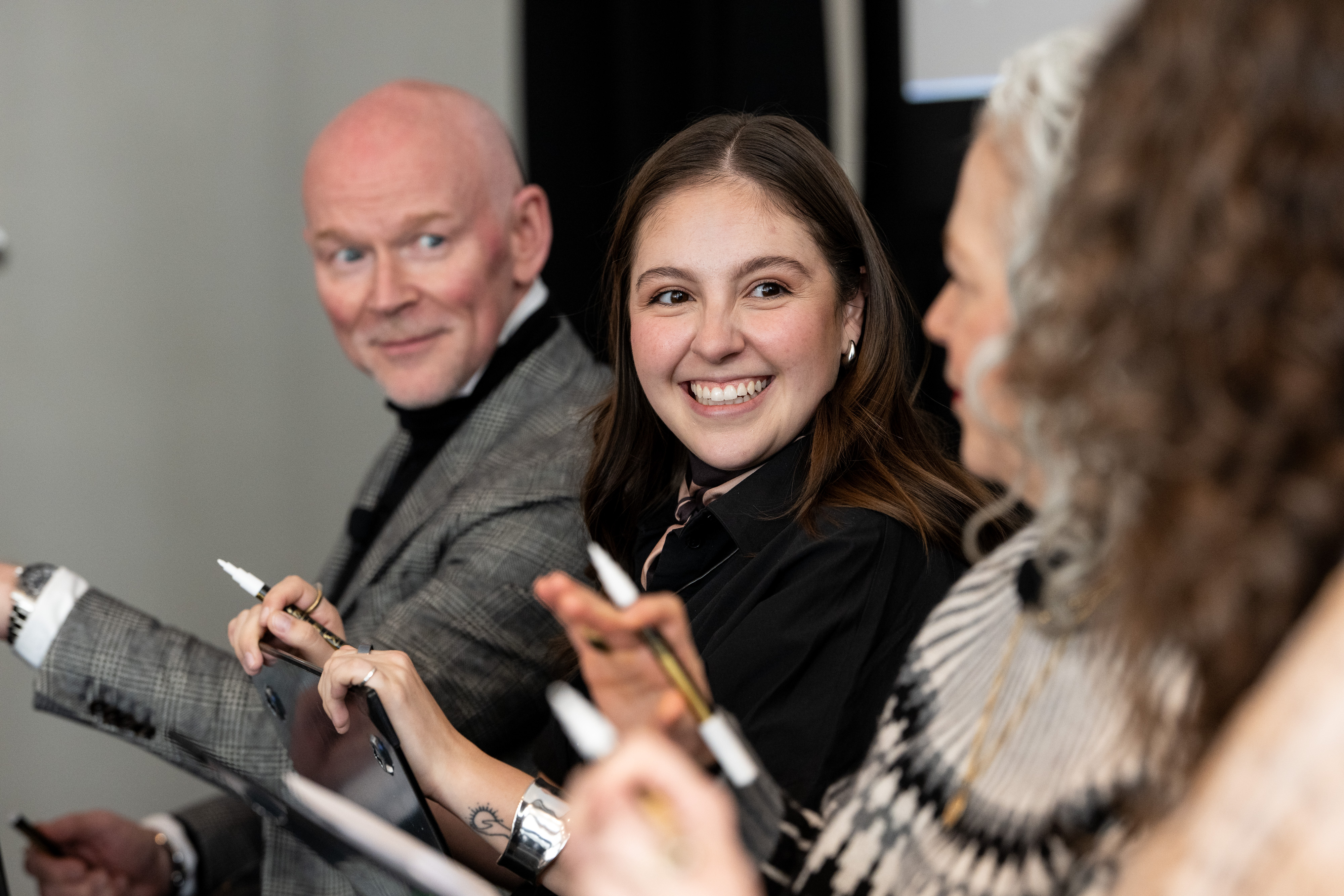
This conversation did the opposite. Many of the powerful moments broke stereotypes, with each generation speaking candidly about industry expectations and cultural shifts. Yes, patterns exist, but broad strokes rarely honor individual nuance. It was a reminder that while professionalism is influenced by culture and generation, respect and accountability remain paramount.
Dr. Gerhardt built on that idea with her concept of “Gentelligence,” the practice of leading intergenerational conversations with empathy and intention. Each generation carries its own cultural identity, norms, and experiences. The goal is not to smooth over those differences, but to understand them well enough to work effectively together.
Dr. Gerhardt reframed empathy as a leadership strength, not a soft skill. Strong leaders should ask better questions and get curious about broader perspectives. In today’s workplace, thoughtful dialogue and genuine inquiry may be some of the most practical tools we have.
Are we building workplaces that honor generational differences? Do our leadership practices create space for dialogue, or do they reinforce assumptions that limit collaboration?
The discussion around reverse mentorship grounded this idea in practice. Inviting input across generations shows respect and shared ownership. The goal is to build workplaces where experience and fresh perspective sharpen each other.
Trust, AI, and why the built environment must become a platform for belonging
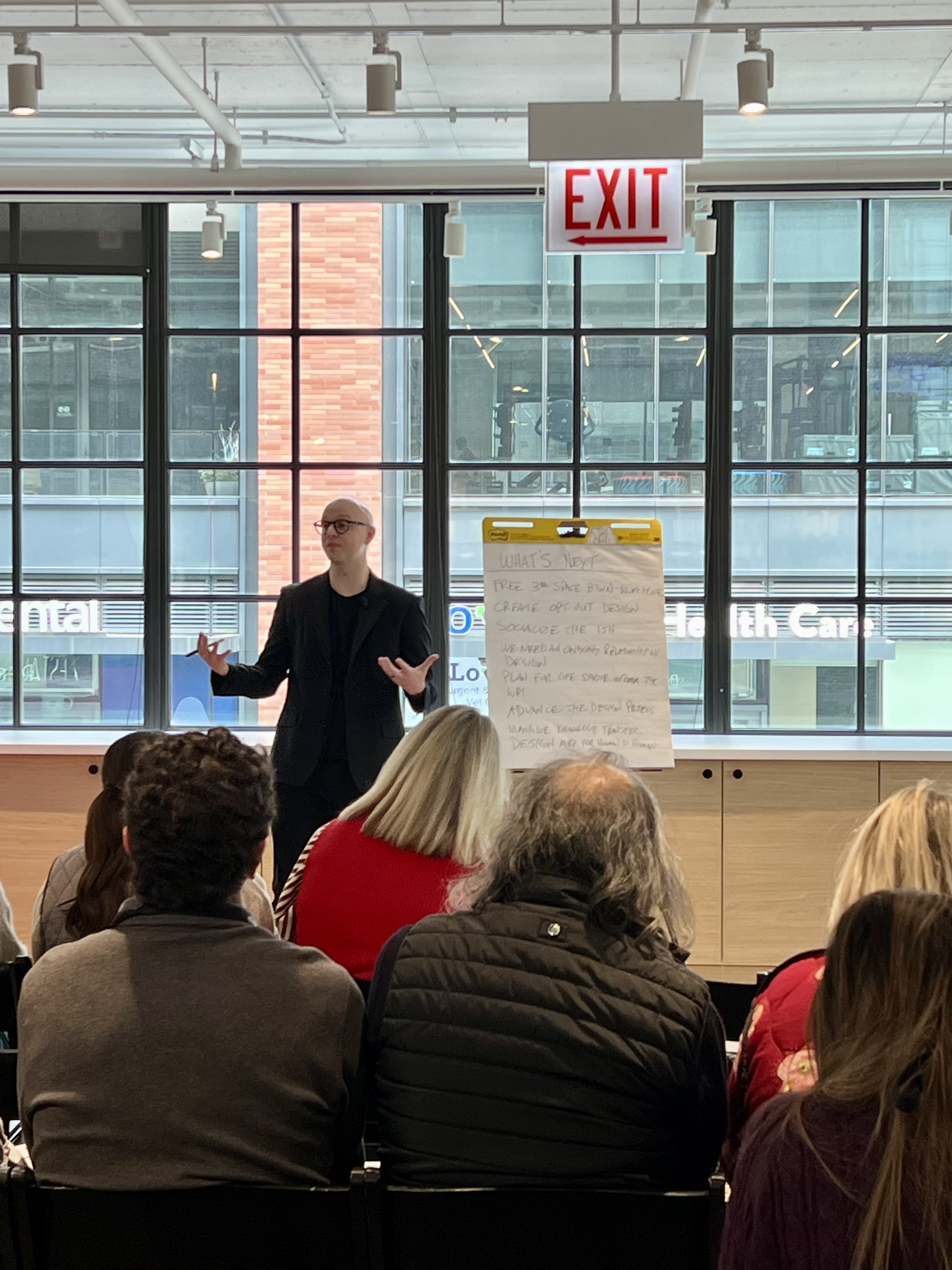
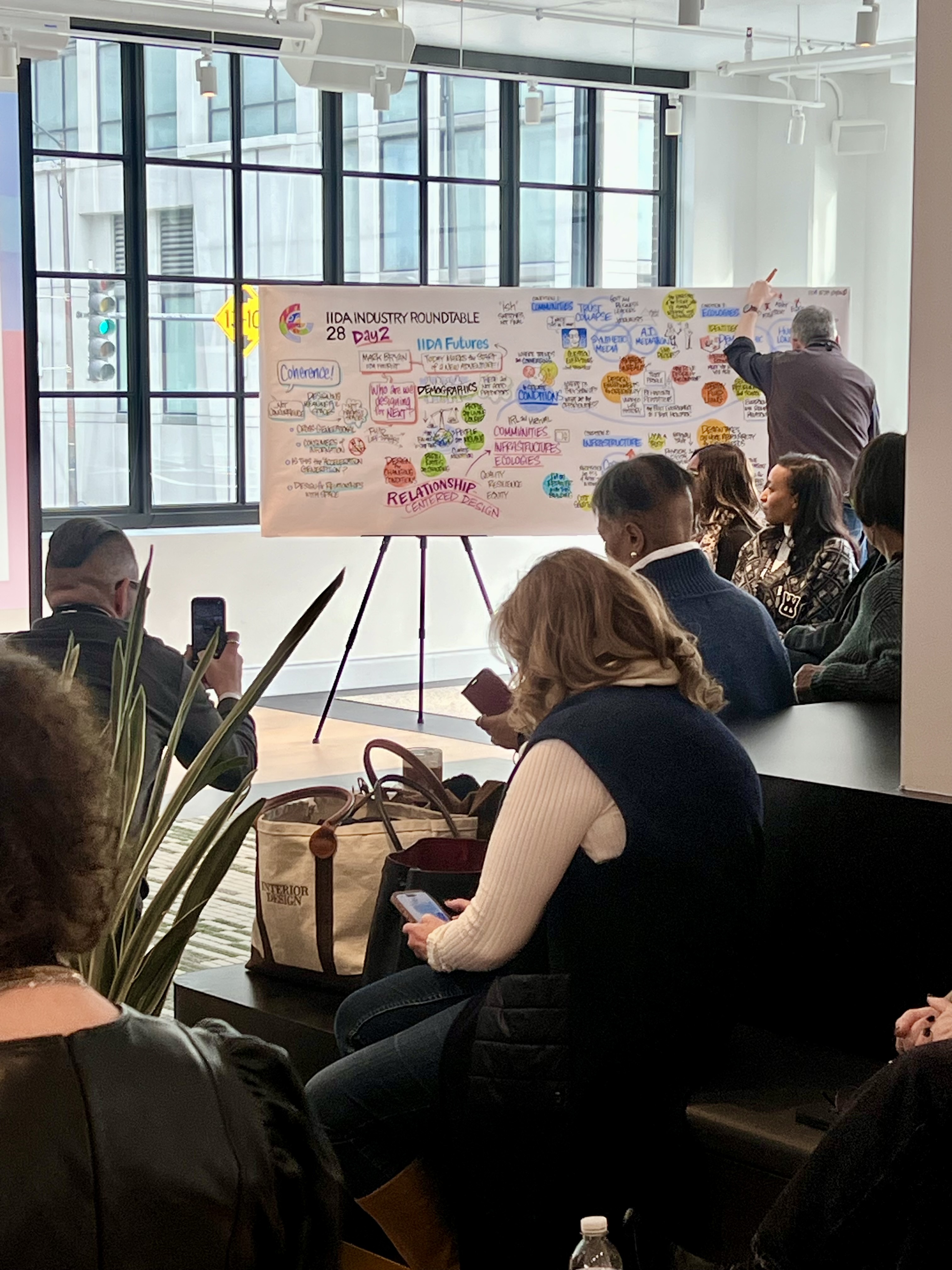
The third moment that stayed with me came from Mark Bryan, IIDA’s Chief Strategy and Research Officer, and his talk on “IIDA Futures: A Workshop for What’s Next”. He spoke about the future of design, the rise of AI, and how design can respond to the steady erosion of trust. At one point, he shared a statistic that shocked me: by the end of 2026, 90 percent of online content could be AI generated.
I’ve repeated that number many times since then. It forces some uncomfortable questions. What happens to our sense of reality when most of what we consume is machine produced? What will happen to originality, credibility, and trust in the design process? Mark pointed to the declining trust in leadership across politics, corporations, and institutions. People are tired. They are skeptical. Many are unsure what, or who, to believe.
That is where physical space becomes relevant. If trust is eroding digitally, the built environment may be one of the few places where it can be experienced directly. Mark Bryan challenged us to see our spaces, and the products within them, as platforms for trust, shaped by data but reinforced through storytelling and real world experience over time.
The loss of third spaces makes this even more significant. These informal environments beyond home and work are where connection forms naturally. Coffee shops, libraries, and community centers create belonging without agenda.
Today, many of us move in a tight loop from home to work and back again. We commute alone, scroll alone, even rest alone. We may be digitally connected, but we are socially fragmented. When shared physical spaces diminish, so do the everyday interactions that build familiarity and confidence, which points to the need for environments designed for community, flexibility, and lasting value.
The built environment carries quiet influence. It can create places to gather, to see one another, and to experience something tangible. In a world saturated with artificial content, those embodied trust-building experiences matter.
Leaving Chicago with more than notes
When I stepped outside to head to the airport, the cold was still relentless. Chicago in January makes its point. But I was carrying something steadier than when I arrived.
Across three days, the conversations kept circling the same realities. We are designing in a world that is louder, faster, and more fragmented. Our senses are stretched. Our workplaces span generations with different expectations. Trust and peace feels harder to earn.
What stayed with me was a renewed responsibility. To design spaces that help people regulate instead of overwhelm. To lead with empathy across differences. To create environments where trust can be fully experienced.
As Cheryl Durst said at the beginning, “It does not become real until it becomes personal.” Design is personal. It shapes how people feel, focus, and belong.
I left Chicago reminded that gathering matters. Listening matters. And if we stay committed to both, we can create places that help people live better within a complicated world.
The temperature was negative five, and I flew home feeling warm and inspired.
For more insights and updates, be sure to follow Maria on LinkedIn and the Imagine a Place podcast.