



WorkX 2025 made one thing clear: the workplace is in the midst of yet another profound transformation. Over two days, leaders in design, real estate, and workplace strategy gathered in Boston to explore a central challenge: how do we create environments that people want to be part of, not just places where they perform tasks?
What we heard consistently is that the future of work will not be defined by hierarchy, square footage, or amenities alone. It will be defined by how well the workplace supports people, their experiences, their well-being, and their ability to connect and grow.
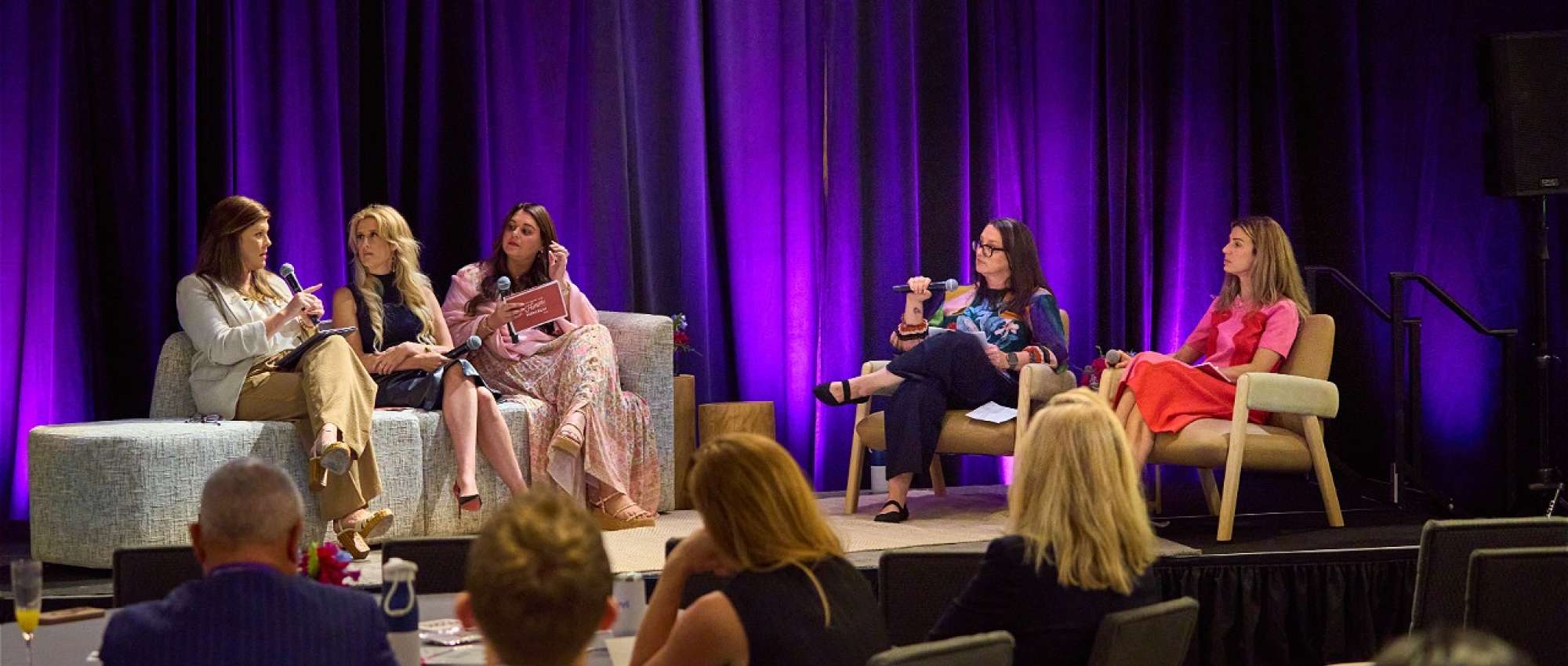
OFS had the opportunity to host the panel Designing for Humans Over Hierarchy at WorkX, where leaders shared deeper insights on this topic.
Here are some of the key takeaways:
Flight to Experience
One of the most powerful ideas to emerge was the shift from a “flight to quality” to a “flight to experience.” As John Pittman of Strada explained, it is not enough to offer high-end finishes or striking design elements. Success lies in creating workplaces where people feel engaged, supported, inspired, and experiential.
This prompts an important question for every organization: are we designing environments people feel connected to, or simply spaces for them to occupy?
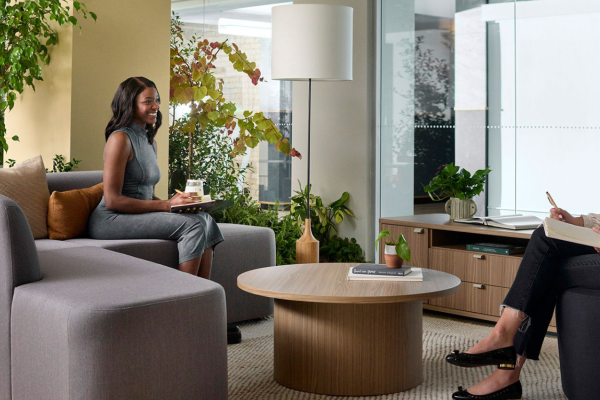
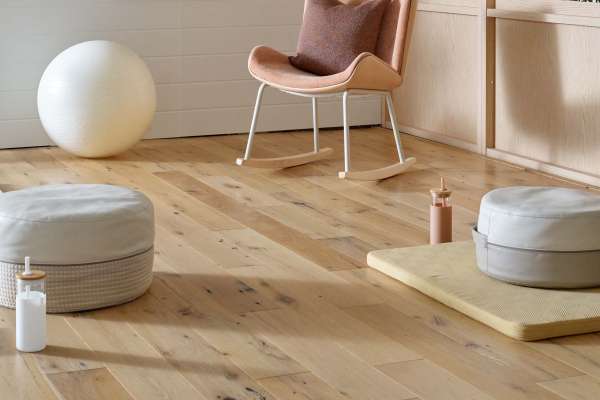
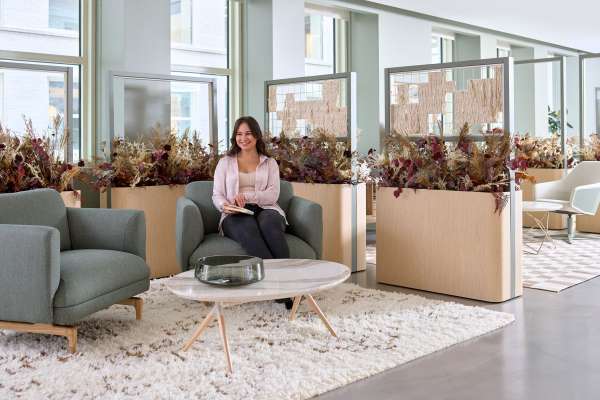
For today’s workforce, experience is shaped as much by choice and comfort as by design details. Privacy is becoming part of that equation again, with private offices quietly making a comeback as employees place greater value on focus and personal space. At the same time, amenity spaces are evolving to deliver more than convenience. They are being reimagined to support well-being in a more comprehensive sense, encompassing physical, mental, and social aspects.
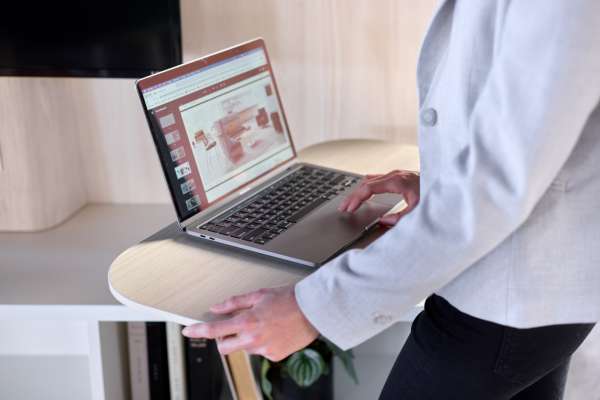
As Ebbie Wisecarver of WeWork observed, flexibility is the key that ties this together. A workplace must adapt as quickly as people’s needs, ensuring that the experience remains one of connection, balance, and support. Amanda Wing of Smallwood put it simply: “Business is agile, so spaces must be agile.” True agility means more than movable furniture. It is about empowering teams to shape their environment in real time, signaling trust and respect for how people choose to work.
Takeaway: The future of workplace design will be measured not by its appearance, but by the quality of the human experience it creates.
Connection and Well-Being
Another theme that stood out at WorkX 2025 was the role of connection and well-being in shaping the workplace experience. Lindsay Herrick of Southern Company explained how even small design choices, such as pathways that encourage casual encounters, can spark conversations, strengthen culture, and build trust. It is a reminder that connection is not accidental; it can be intentionally designed. Research reinforces the need, with 61 percent of executives reporting feelings of loneliness in hierarchical structures. The right environment can help bridge that gap.
Well-being came through just as strongly. Shanna Francis shared how Marriott’s headquarters introduced a one-to-one ratio of “me” to “we” spaces during the pandemic. For every workstation or private office, there was a lounge, café, or collaborative space. This balance sent a clear signal: comfort and choice are not perks, they are part of the foundation for how people thrive at work.
Takeaway: When workplaces are designed to foster connection and well-being, they move beyond being places to get work done and become environments where people can truly flourish.
From Inspiration to Action
The message from WorkX 2025 was clear: the workplaces of tomorrow will succeed by putting people first. Organizations that prioritize connection, well-being, flexibility, and purpose will not only attract and retain talent, but also build stronger cultures and outperform their peers. In fact, MIT research shows that companies embracing human-centered design outperform competitors by 228 percent over a decade. The question every organization must now ask is this: are we designing spaces that simply support work, or are we creating environments where people can truly thrive?
To hear more perspectives and dive deeper into these conversations, explore the In the ROOM podcast series, recorded live from WorkX 2025.
And for ongoing insights and updates, be sure to follow us on LinkedIn at Christina Jameson and Wesley Edmonds.