





From Wesley Edmonds, Director of Workplace, and Maria VanDeman, Director of Design Strategy, at OFS
We spend a lot of time talking with creatives in the design industry, architects, designers, workplace strategists, and leaders who are shaping the future of spaces and human experience. It was especially refreshing to sit down with someone outside of our industry whose perspective on work, technology, and innovation felt entirely different, yet surprisingly aligned in one important way: people still matter most.
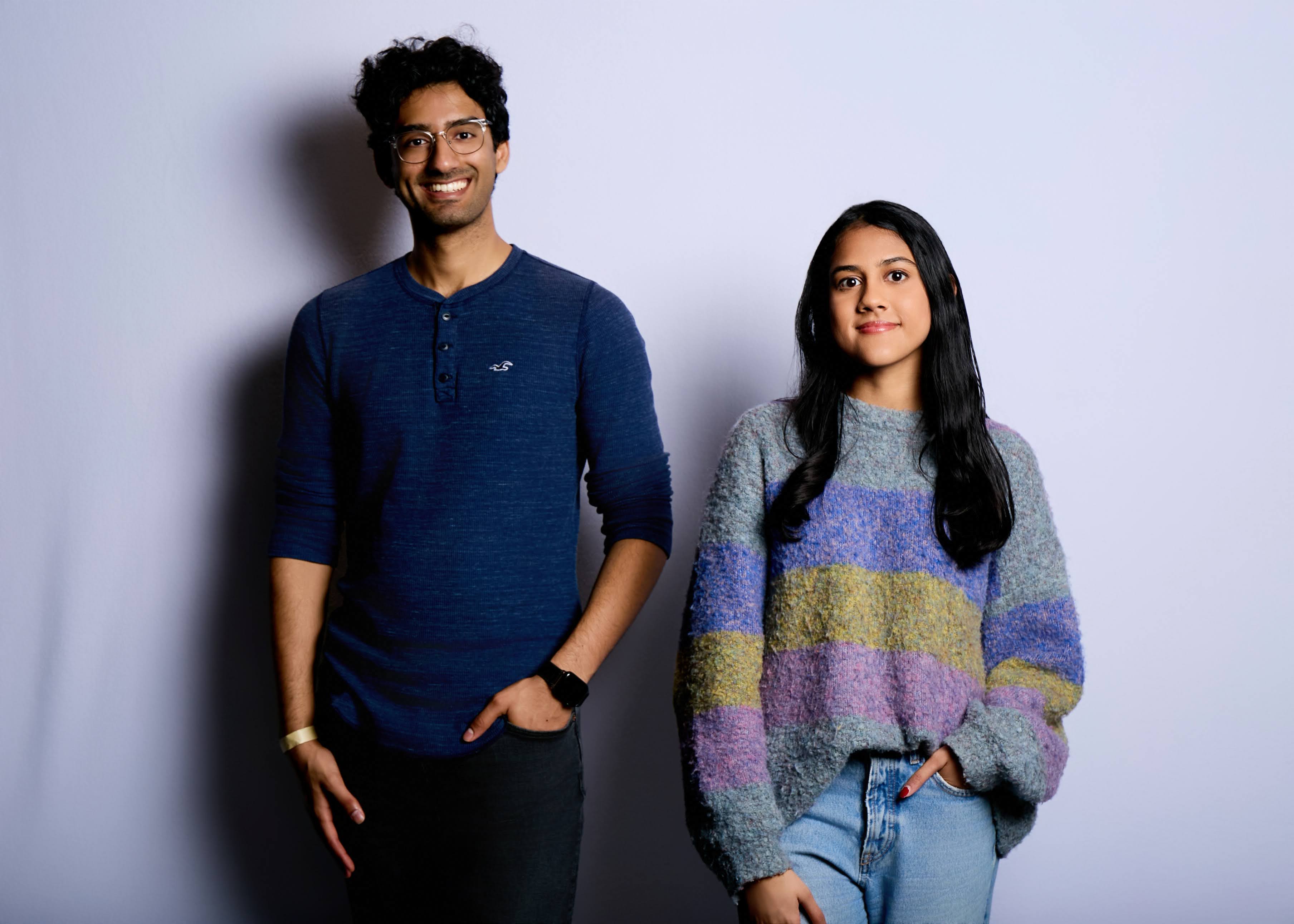
Recently, Wesley Edmonds, OFS Director of Workplace, and I spoke with Eshani Mehta, co-founder of Lumari, an AI company focused on helping companies streamline complex supply chain operations through automation and end-to-end visibility. While her work lives deeply in the technology world, what stood out most was her thoughtful and human-centered perspective on how AI can better support people at work.
As a founder leading a fast-growing technology company, Mehta spoke with both realism and optimism about the rapid evolution of AI. Rather than framing technology as something designed to replace people, she sees it as a tool that can remove friction, reduce repetitive work, and create more space for humans to focus on the work that matters most. “I think there are things that AI is really good at,” she shared. “We should leverage it for the things it’s really good at, but there are also areas where humans just do much better than AI.”

The best use of AI is human empowerment
For Mehta, AI is most valuable when it eliminates tedious administrative tasks, freeing people to focus on more meaningful and strategic work. What resonated most was her emphasis on giving people time back to think, collaborate, build relationships, and pursue the work that creates the greatest value.
As she put it, “There’s always more interesting things to be doing. This just gives you time to actually go work on that.” Her perspective is a reminder that the best use of AI is not replacing people, but empowering them to spend more time doing what humans do best.
The future of work requires human adoption
Another takeaway from the conversation was that implementing AI is not simply a technology challenge. It is inherently a people challenge. Mehta spoke candidly about the importance of change management and helping teams gradually adapt to new ways of working. Rather than forcing immediate transformation, Lumari introduces AI in a more purposeful way with feedback loops and iterative expansion that help build confidence and trust.
"There’s a lot of work that needs to go into tailoring it to the company, the team, and even the individual person within the team" she explained. That perspective feels especially important as organizations rush to adopt emerging technologies. Successful innovation is about understanding human behavior, acknowledging resistance, and creating systems that support people through change, prioritizing humanness at the end of the day.


Innovation requires courage and community
Equally inspiring was hearing Mehta reflect on her experience as a young female founder in the tech world. In a startup ecosystem often associated with a very specific Silicon Valley archetype, she spoke openly about the importance of community, representation, and confidence. In her Y Combinator cohort of roughly 300 founders, only about 20 were women. Rather than dwelling on that imbalance, she emphasized the importance of building supportive networks and learning from other women navigating similar experiences.
While reflecting on leaving a stable engineering career to launch Lumari, Mehta's perspective challenged the stereotypical image of the tech founder. Instead of glamorizing burnout or hustle culture, she spoke openly about curiosity, collaboration, adaptability, and thoughtful growth.
By the end of the conversation, what stayed with Wesley and I the most was not the technology itself, but the reminder that the future of work will always be shaped by people first. AI will continue evolving rapidly, but organizations need empathy, creativity, trust, and human connection in order to thrive.
Perhaps that is the real opportunity ahead: to step outside of our comfort zones and embrace technology as a friendly agent of change and productivity, all while confidently stepping into our increasingly important role as the human, the heart, and the passion.