



What if design could breathe? James Beach and Caitlin Tuttle believe it can. Through PLNTR, they’ve turned greenery into more than décor—it’s a catalyst for connection, comfort, and community. From pop-up markets to bustling offices, their vision of a “functional jungle” shows us how plants can anchor space, guide us through it, and remind us that even in the busiest environments, we deserve moments of calm.
Who are you and where did you begin?
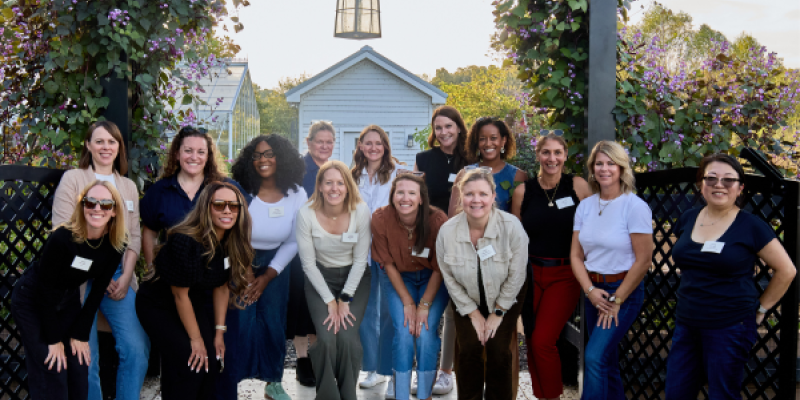
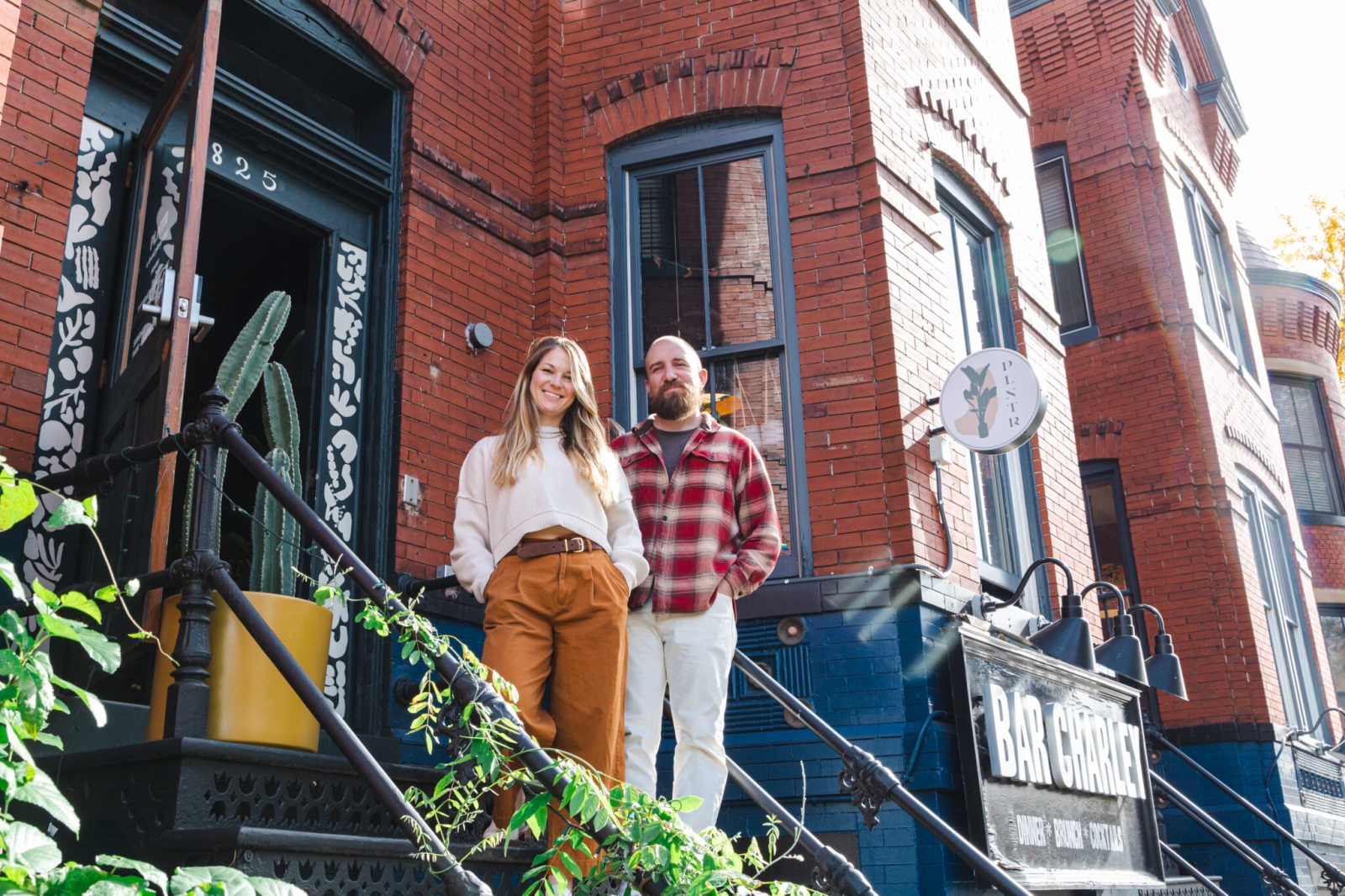
We’re James Beach and Caitlin Tuttle, and together we run PLNTR. We started this journey in July 2020 after the pandemic quashed a furniture industry job opportunity for me (James). Itching for something new, Caitlin and I combined my commercial real estate experience with her marketing and design skills—not to mention our collective plant expertise—and launched PLNTR.
What inspired you to bridge both a commercial interior plant design firm and boutique plant shop?
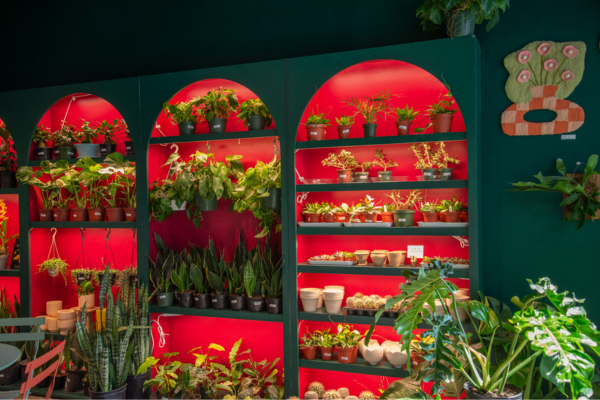
Honestly, the pandemic. When we launched PLNTR, we had about three projects lined up and assumed things would normalize by the fall. When they didn’t, we pivoted and added a retail component, hosting pop-up markets at local bars and event spaces. That side of the business took off. Today, we have two retail shops and service about 50 offices and restaurants across the DC and Baltimore markets.
How has your community influenced your work, and in turn, how do you feel your work has impacted your community?
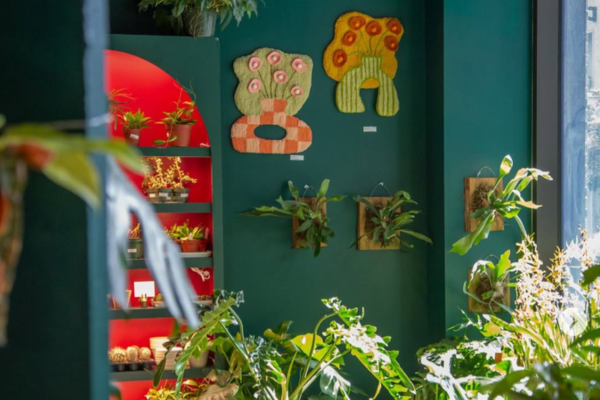
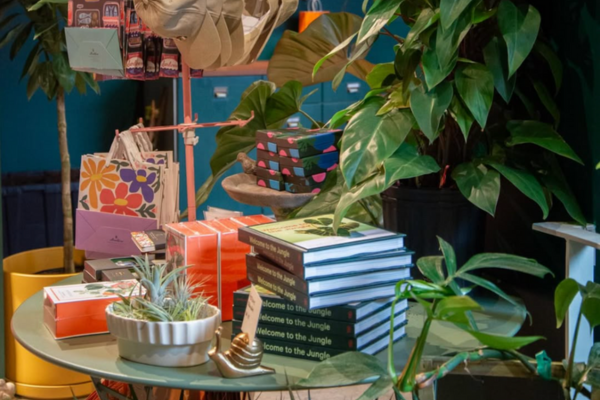
Community is our work. While that might sound lofty, it’s true. We started from our apartment, and without the immediate support of the local design community, PLNTR wouldn’t exist. During our pop-up days, we connected with an incredible community of small creative businesses. When we finally opened a brick-and-mortar, we brought many of those businesses with us—ultimately representing around 25 local artists and makers in our shops. Whether it’s custom furniture from our friend Dennis of Austen Morris or consignment art from Corbin of CSCRBN, our spaces aren’t just filled with plants—they’re filled with the talent of our community.
In your opinion, how can plants impact space?
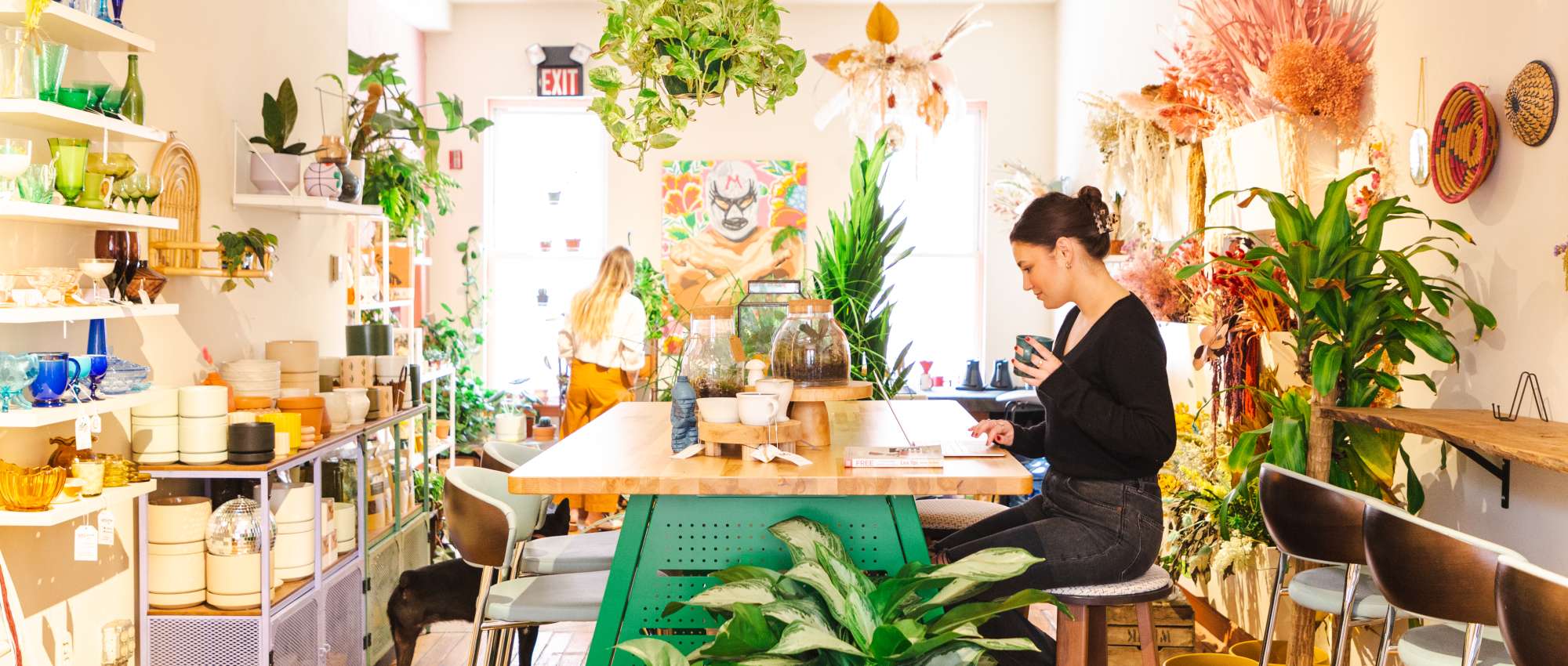
Plants are the perfect anchor for any environment. When we design, our aim is “functional jungle.” An office, restaurant, or public space needs to serve its intended purpose, but greenery enhances that function. If you want to experience what we mean, come grab a coffee and some Wi-Fi at our DC shop—it’s a jungle with a purpose. We approach “functional jungle” with four key tenets:
- Visual Anchor: Wherever you are, you should catch a glimpse of green—even if just from the corner of your eye.
- Wayfinding: Plants help guide people through a space naturally.
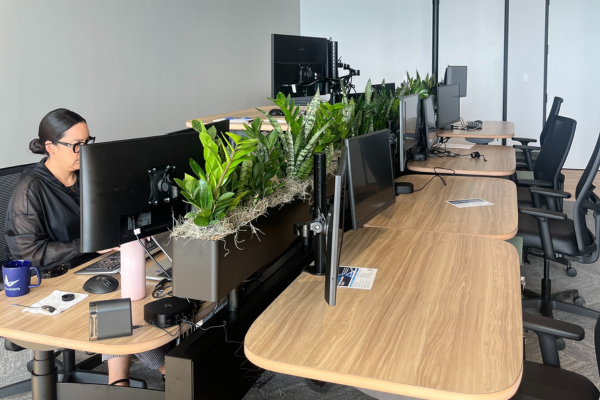
- Perceived Privacy: Greenery can create soft barriers, just like workstation panels.
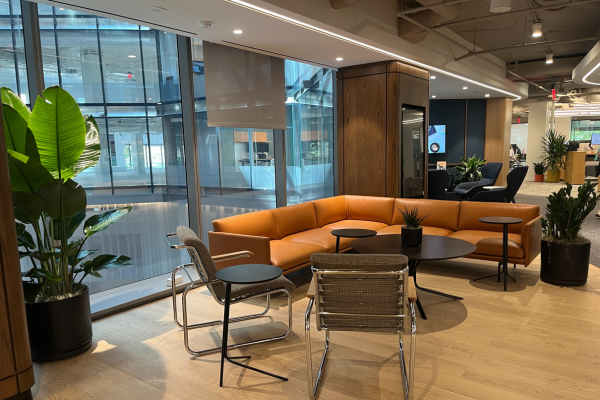
- Community Design: We prioritize planting in gathering areas, which make the biggest impact for both staff and guests.
How do you see plants shaping the way people experience a space?
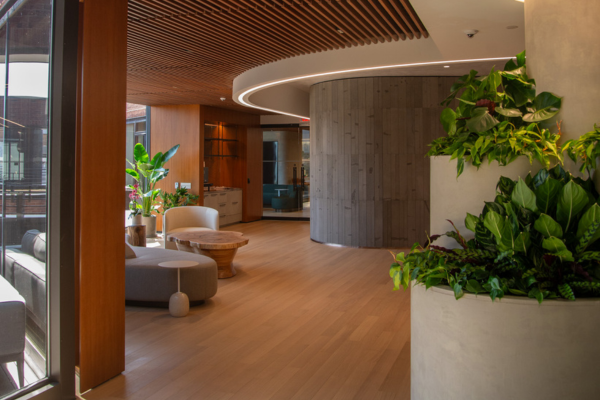
A great example came up recently: while finalizing an install, a COO mentioned she wished she could reorient her desk so she wasn’t staring directly at her staff. Since that wasn’t possible, we used plants to create perceived privacy—offering just enough visual distraction to foster focus and comfort.
As floor plans shrink and “hoteling” becomes the norm, shared spaces like lounges, pantries, and collaborative areas are increasingly important. Designing these areas with plants first ensures we deliver the greatest impact within any budget.
Why do plants matter in design, especially commercial design?
The simple answer? Because people like them. That’s honestly enough. But beyond that, plants anchor spaces, enhance gathering areas, provide sanctuary, and create comfort. While people often ask about air quality benefits—and yes, plants help—it takes a literal jungle to make a noticeable difference. Instead, we focus on the psychological and social impact: greenery makes people feel better, more relaxed, and more connected.
If you could give one piece of advice to designers who want to integrate plants more thoughtfully, what would it be?
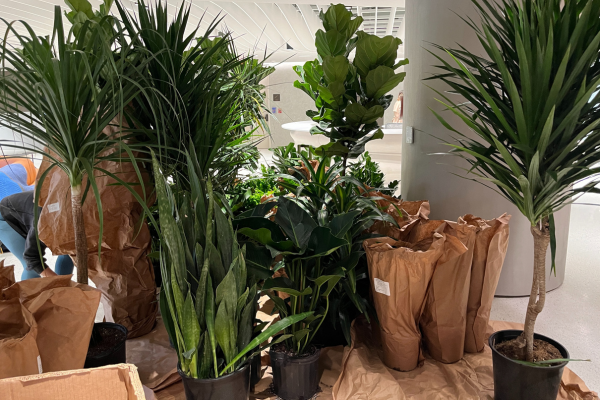
Call us! Designers already have enough on their plates. If they loop us in early, we can help with lighting design, millwork specs, and placement.
For those going it alone, the biggest tip is lighting. It’s almost always overlooked. A strong LED fixture—starting around 5,000 lumens and scaling based on distance—can make or break a planting plan.
Looking ahead, how do you see the role of plants evolving in design?
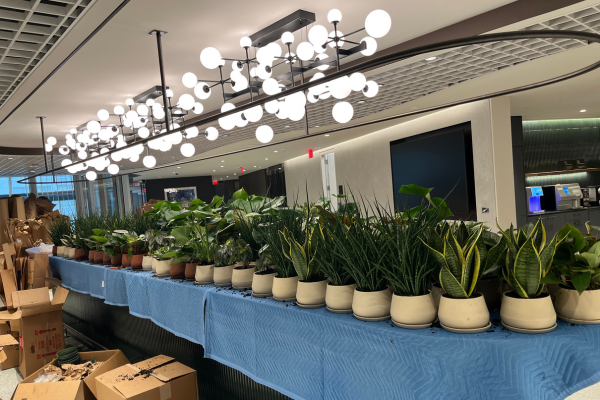
As people return to offices after experiencing the comfort of home, plants will play a bigger role in creating welcoming environments. Not every workplace can offer pinball machines or lounges, but a lush Monstera or tall Fiddle Leaf Fig can go a long way toward making an office feel more human.