



Perspectives from Maria VanDeman
Designer experience hosted by OFS and Imagine a Place
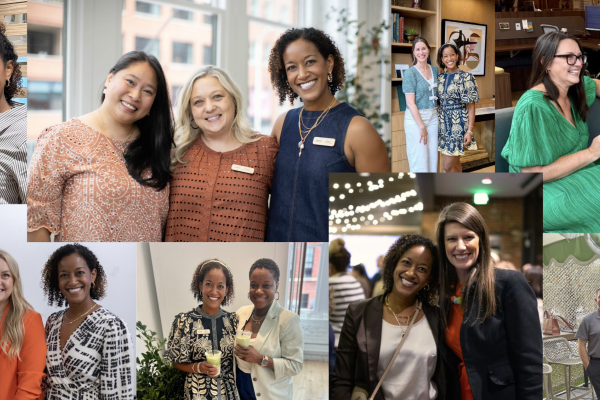
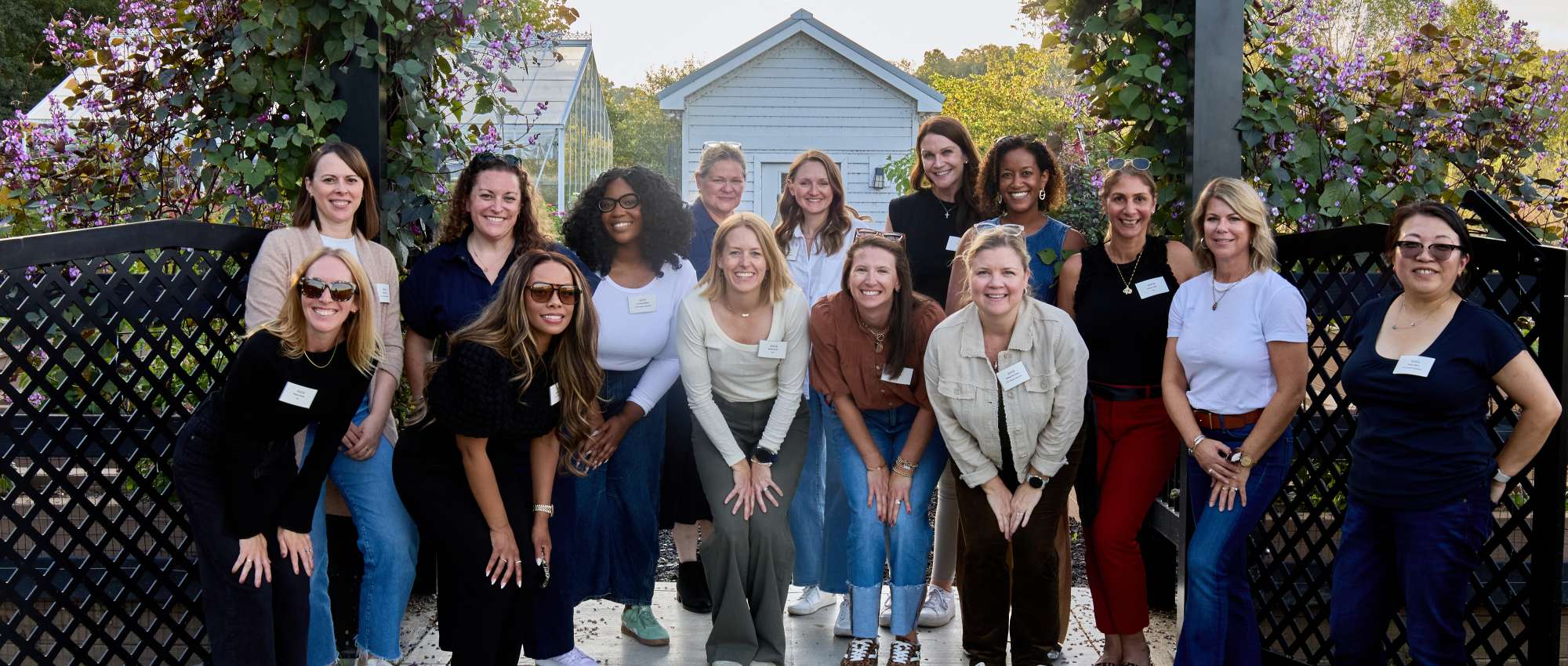
Design has a way of bringing people together. Not just around what we create, but around why we do it in the first place. During the recent OFS and Imagine a Place designer experience, we gathered leaders from firms across the country, including HOK, IA Interior Architects, and Ware Malcomb and more. What connected us almost immediately was not our titles or portfolios, but a shared sense of purpose and a genuine curiosity about one another.
We began with a simple question. Why did you choose design? The answers were deeply personal and, in many ways, surprisingly familiar. Some spoke about building imaginary worlds out of Legos as kids. Others shared stories of parents or family members who quietly modeled creativity and care. A few discussed starting down more traditional paths, such as medicine or advanced academic study, before realizing something was missing. Taking a moment to reflect on where we started created an instant sense of trust and connection, and it set the tone for everything that followed.
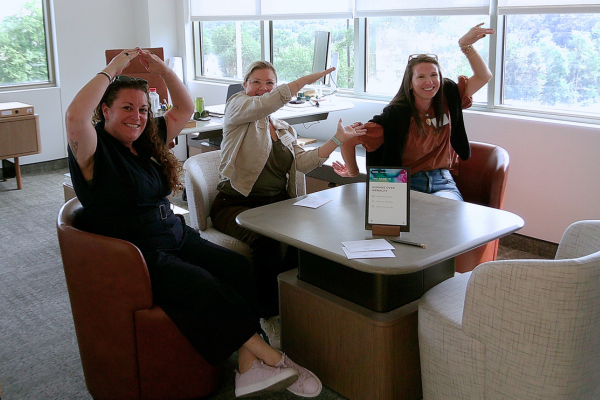
From there, the experience unfolded naturally. Conversations shifted from professional to personal. Peers became friends. Listening became just as important as speaking. What we felt together was simple but powerful. When people are seen as humans, when spaces invite openness, and when purpose is shared, alignment happens. And that alignment changes how we lead, how we collaborate, and how we design environments that support both performance and wellbeing.
The insights that follow grew out of those shared moments and honest conversations. They reflect three ideas shaping where our profession is today and where it is headed next.
1. Community and connection are foundational
Designers know instinctively that space is more than structure. It holds meaning, memory, and relationship. Throughout our conversations, we learned that people crave connection, and they want to feel heard. The environments we design can strengthen that bond or quietly weaken it.
Even in an era of flexibility and remote work, this need has not diminished. According to Randstad’s global annual review of the world of work, 83% of employees want their workplace to provide a sense of community. Designers see this firsthand. When people gather with intention, an environment can become a source of energy and strength.
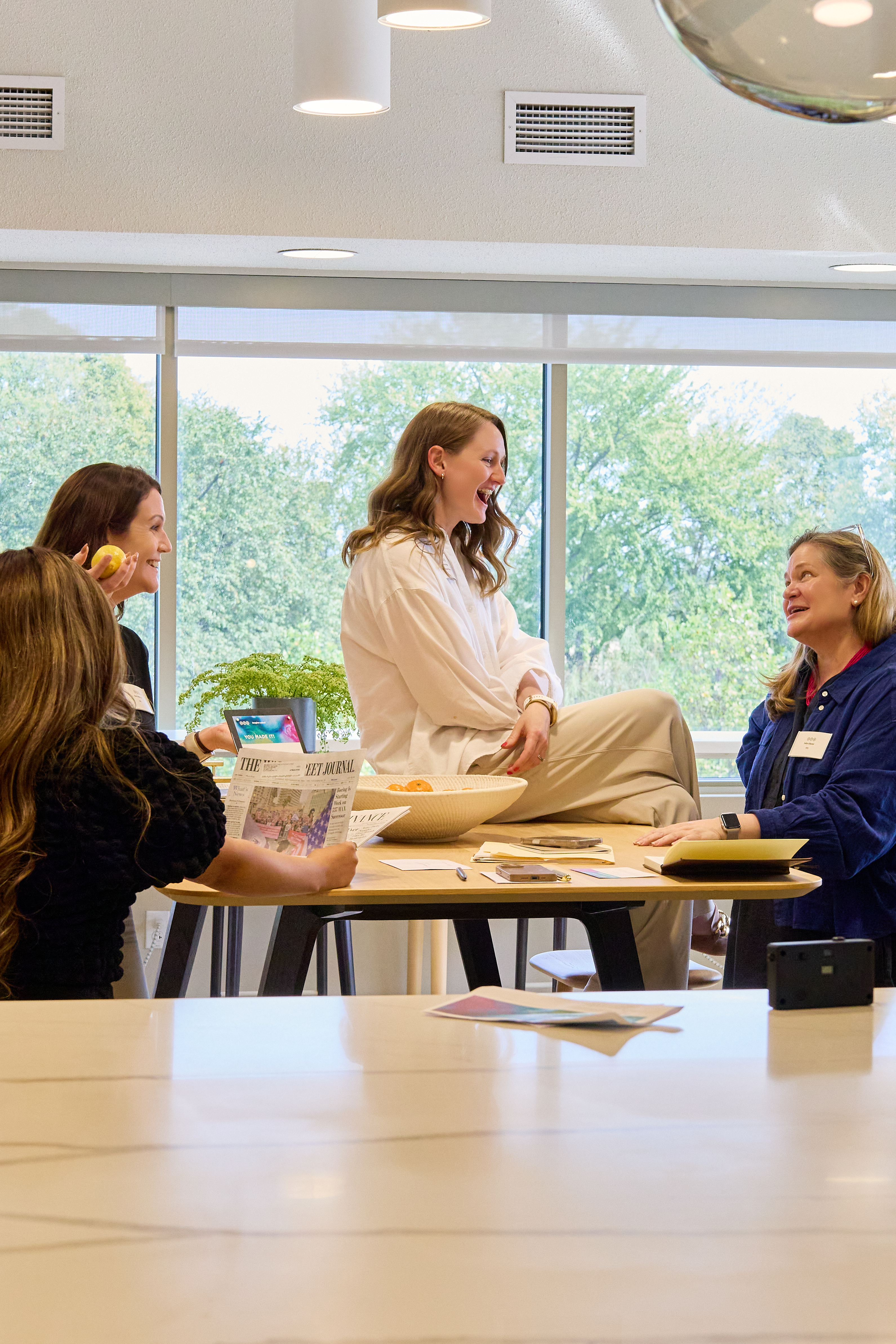
What made this experience especially meaningful was the range of perspectives in the room. Women from different firms, age ranges, and leadership roles shared a common understanding of the pressures they carry. Seeing others who understood your responsibility, your challenges, and your design lens made the connection feel natural. Community deepens when people connect across differences while finding shared ground.
Communication played a central role in strengthening that sense of community. Designers emphasized the importance of talking through differences rather than avoiding them. Listening with empathy, disagreeing with respect, and seeking shared understanding allow diverse groups to stay connected.
Designers also spoke candidly about the cost of deep passion. When care runs high and boundaries blur, energy can erode. Communities that truly support connection make space for pause, reflection, and restoration, helping people stay engaged and sustained over time.
Design implication:
Designing for community goes beyond space alone. It is supported by leadership, culture, and intention. Environments should make room for both collective gathering and one-on-one connection, offering flexible zones for collaboration alongside quieter moments for reflection and conversation. When space and leadership work together to support communication, representation, and empathy, community becomes something people truly feel.
2. Leadership and collaboration are evolving
Leadership today looks different from what it did even a decade ago. It is no longer about repeating what has been done, but about creating inclusive paths forward and making room for every voice.
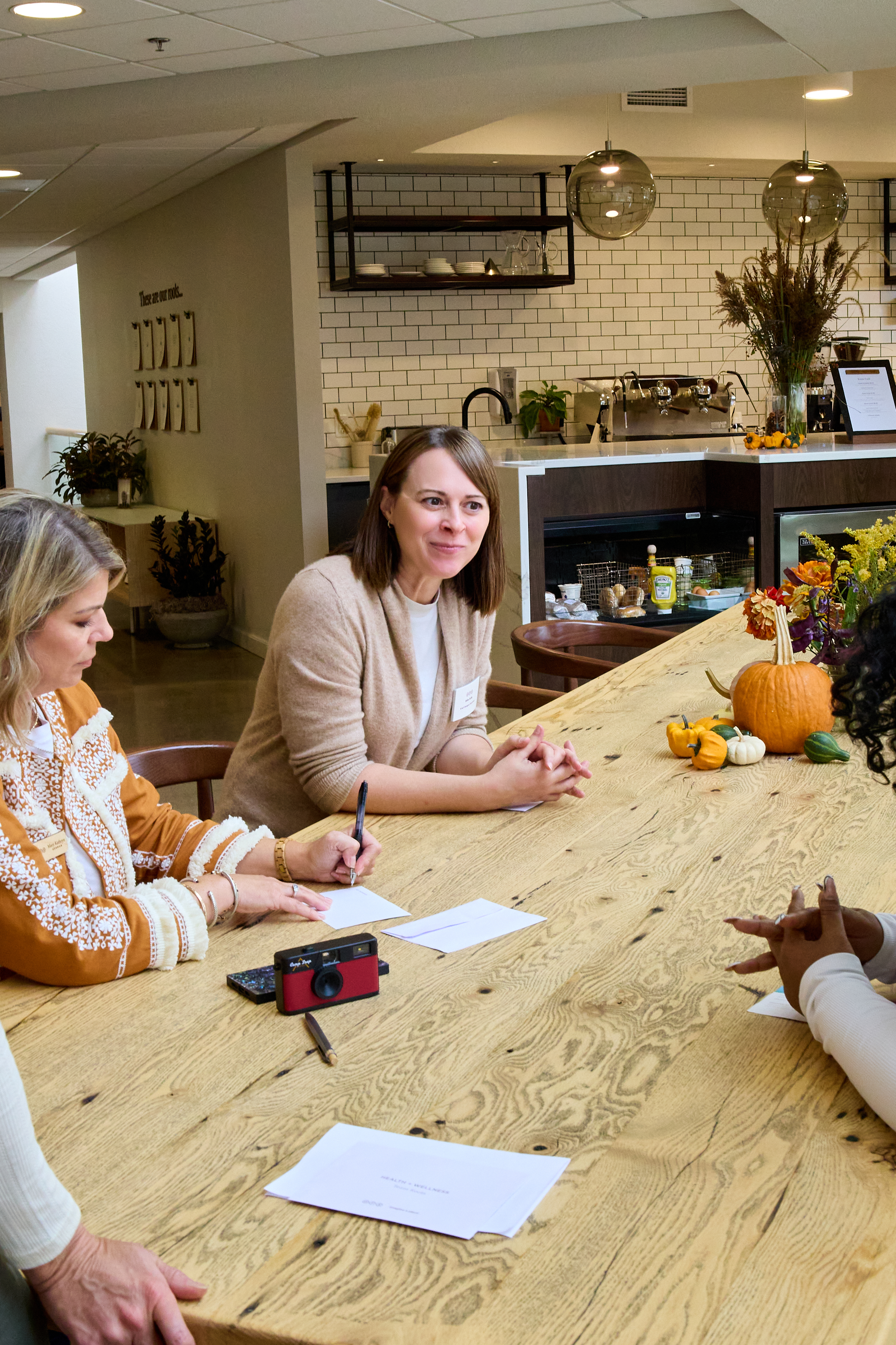
The leadership conversations were especially powerful because these were senior leaders who had worked hard, navigated complexity, and carried responsibility for teams, clients, and outcomes. As one participant shared, “While we may be competitors when it comes to winning projects, we can still be allies and supportive of each other. We have all been through it, and we all have valuable insights to offer.” What emerged instead was curiosity, generosity, empathy, and shared learning - the exact kind of leadership the industry needs now.
One moment in particular captured the complexity of leadership today. A designer shared her experience of going to her boss to tell them she was pregnant. It should have felt joyful and celebratory, yet it felt heavy and uncertain. She feared how it would be received and what it might mean for her role. That moment sparked a deeper conversation about leadership, creating psychological safety, and making space for people to show up fully, including the personal moments that shape their lives. When hard conversations are met with empathy and openness, connection deepens, and teams grow stronger.
Generational experiences further shaped this dialogue. One designer spoke about the shared struggle of millennials entering the workforce during the economic crisis. That early adversity built resilience, but also left gaps in mentorship and leadership development. Now, as leaders themselves, many are carrying significant responsibility while still reconciling those formative experiences. Having peers and connections inside and outside one’s firm can help to restore perspective and momentum.
Psychological safety surfaced as essential to strong leadership and collaboration. When people fear difficult conversations, innovation slows. Teams with high psychological safety are up to 21 times more likely to contribute new ideas, according to World Metrics. Leadership today depends on environments and cultures that support trust, empathy, and openness across roles and generations. When leaders feel supported, and teams feel safe to show up fully, collaboration becomes stronger, momentum returns, and work feels more purposeful.
Design implication:
Leadership is shaped by both behavior and environment. Leadership programs and spaces should be designed to encourage openness and shared growth. This can look like private offices that feel approachable rather than closed off and sterile, seating that places people side by side instead of across barriers, and meeting areas that invite conversation rather than formality. When spaces reduce hierarchy and support comfort and accessibility, both professional and personal conversations feel safer, more natural, and more valued.
3. Values-driven design
Throughout the experience, purpose surfaced as a shared foundation and a guiding force behind how designers think, collaborate, and make decisions. Conversations returned again and again to sustainability, inclusion, and social impact, and to the responsibility designers carry to design for people rather than ego.
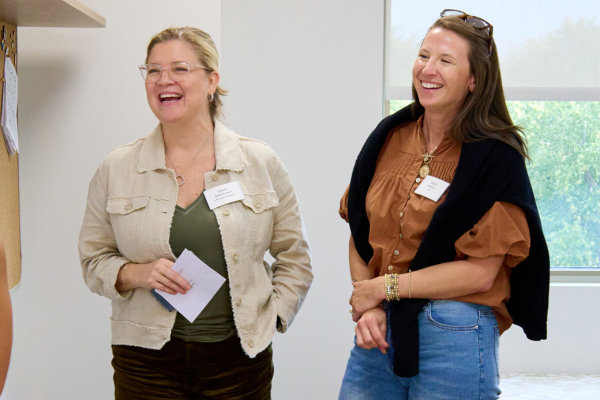
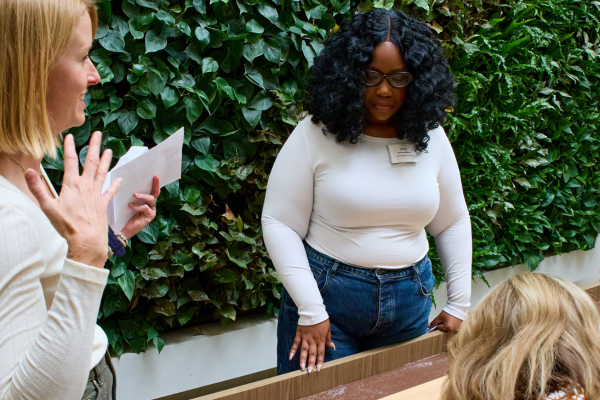
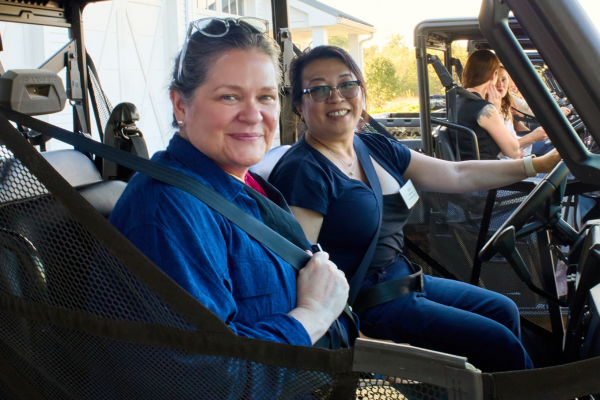
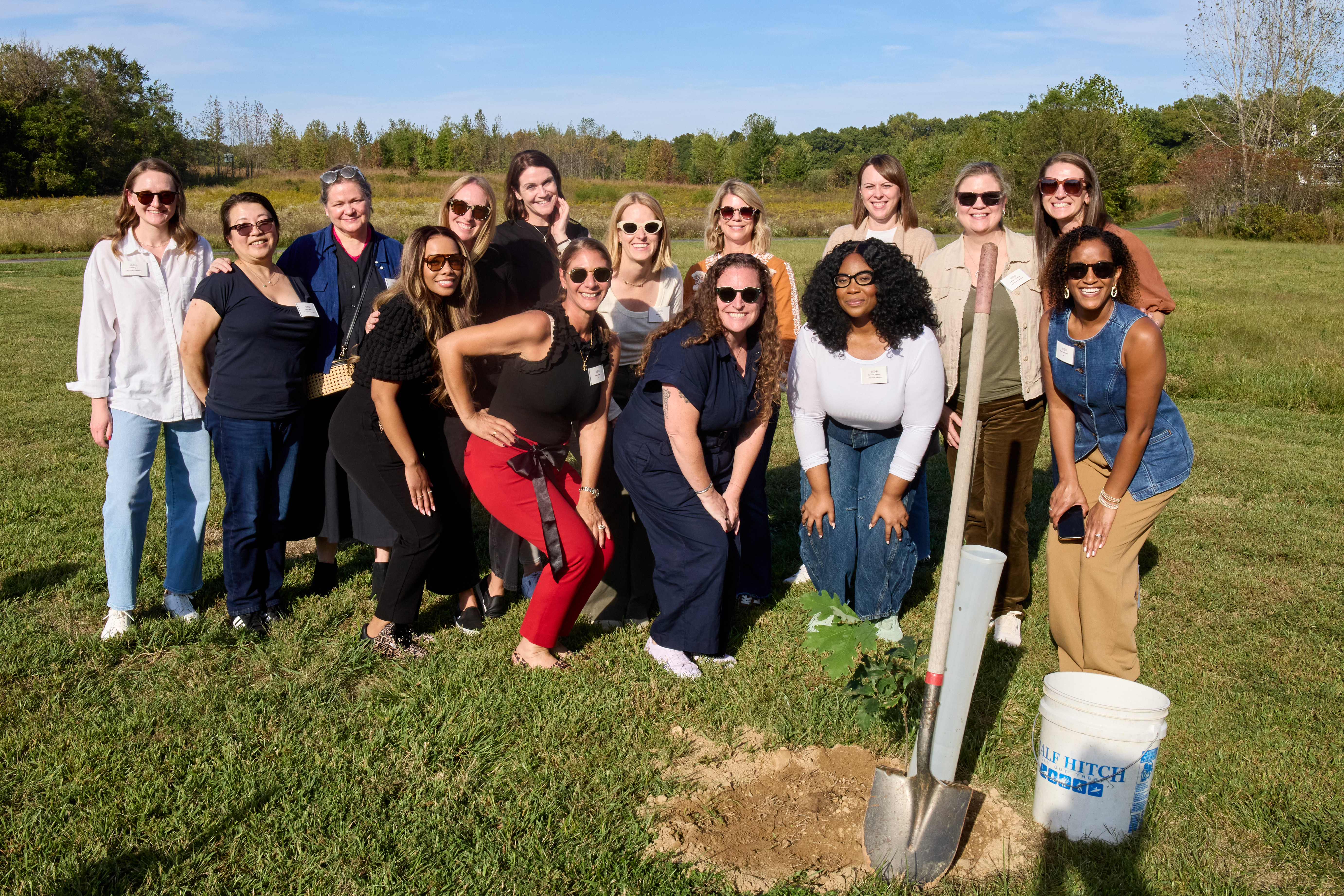
That sense of purpose was reinforced through shared experience. Time spent planting a tree, discovering new products, walking through a garden, and gathering around a warm fire created space to slow down and reflect. Being present together, outside the pace of daily work, made the values behind the work feel tangible. These moments reminded us that design is not only expressed through finished spaces, but through the environments and experiences that shape how people feel and connect.
One designer captured this simply: “I design with purpose by always remembering the why. It is easy for that to get lost in the process, but staying connected to the reason behind what I am doing keeps the design meaningful.” That grounding in purpose leads to stronger outcomes, not just visually, but emotionally and socially. This perspective aligns with broader workplace research. In the Great Place to Work 2023 Power of Purpose in the Workplace study, employees who find their work meaningful are two to six times more likely to stay with their organization long term.
As the conversation deepened, designers spoke candidly about the growing pressure of a race to the bottom around design fees, products, and perceived value. When decisions are driven by lowest cost alone, the damage is felt across the industry. Quality erodes, partnerships weaken, and long term value is sacrificed for short term savings. Designers emphasized that shifting this mindset requires working together and helping clients better understand the value of thoughtful design and meaningful partnerships.
Value, they agreed, is not just about what something costs. It is about what it delivers over time with sustainable and quality materials. These choices create better experiences, longer lifespans, and greater return on investment. True value is built through intention, craftsmanship, trust, and partnerships that prioritize people and performance over price alone.
Design implication:
Value, they agreed, is not just about what something costs. It is about what it creates. Shared experiences, trusted partnerships, and thoughtful collaboration shape outcomes that last far beyond a single project. When designers, clients, and partners take the time to listen, learn, and work together, value becomes something felt, not just measured. Sustainable materials, quality craftsmanship, and strong relationships lead to better experiences, longer lifespans, and greater returns over time. True value is built through intention, connection, and partnership, where people and performance are prioritized over price alone.
The power of alignment
When people are truly seen, when community is intentionally nurtured, and when purpose stays at the center, alignment follows. That alignment strengthens leadership, deepens collaboration, and reminds us why this work matters in the first place. Design then becomes more than a response to a brief or a budget. It becomes a shared commitment to one another.
As an industry, we move forward most powerfully when we choose connection over competition, partnership over silos, and long-term value over short-term wins. When people, place, and purpose align, design becomes a shared commitment to one another.
To keep the conversation going, follow Maria on LinkedIn and stay connected through the Imagine a Place podcast.